
August 29, 20261 min read
Concrete Mixer Truck and Pump Buying Guide: Capacity and Drum
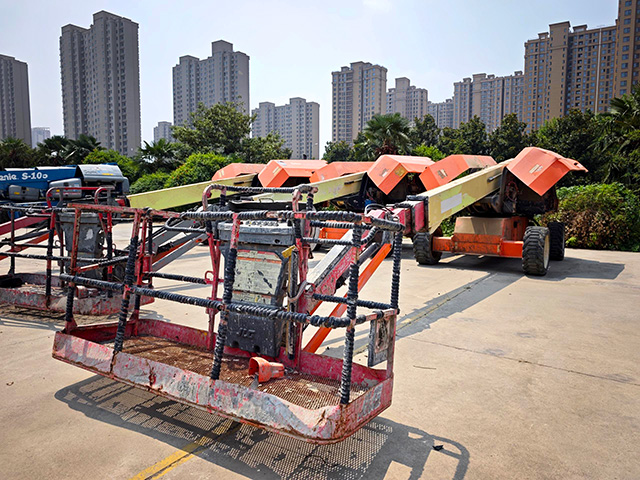
A concrete mixer or pump earns by the batch, so downtime is expensive and a bad drum or pump is a direct loss. Here is how to spec and check one.
Mixer: drum capacity and chassis
The drum capacity in cubic metres sets how much concrete you deliver per trip, and the chassis sets where the truck can go and its gross vehicle weight. Match the drum to your batch plant and your road and site access — a larger drum is pointless if the truck cannot legally or physically reach the pour.
Pump: boom vs line
A boom pump places concrete where the boom reaches — high-rise and large pours. A line pump pushes concrete through hose for long, flat or difficult-access pours. The choice is about reach and placement, and on a used unit the pump, valves and hoses are the wear points that matter most.
What to check on a used unit
- Drum and blades — internal wear and build-up decide mixing quality.
- Pump and S-valve — wear on the pump and the valve that routes the concrete.
- Hydraulics and PTO — the power take-off drives the drum; check engagement and leaks.
- Chassis and brakes — a mixer is heavy; brakes and frame matter.
The 29-point inspection verifies the drum, pump and PTO condition in writing so you know exactly what you are buying.
Bottom line: spec the drum to your batch and the pump to your reach, then check the drum interior, the pump wear and the PTO specifically on a used unit.
Related News
Sep 2, 2026
Remanufactured vs Refurbished vs Rebuilt vs As-Is: What These Terms Actually Mean on Used Machinery
Four labels — remanufactured, refurbished, rebuilt, as-is — can mean a USD 5,000 to USD 50,000 price gap on the same machine. A plain-English breakdown of industry standards, what each covers, warranty differences, and how to write the condition into your contract.
Sep 2, 2026
How to Pay for Machinery from China: T/T, Letter of Credit and Trade Assurance Compared
T/T, letter of credit, Trade Assurance, or escrow — which payment method protects you best when buying used construction machinery from China? A detailed breakdown of each method's process, costs, risks, and when to use each one, with a payment timeline and comparison table.
Sep 2, 2026
What Warranty Do You Actually Get on Used and Remanufactured Machinery?
Most used machinery is sold as-is with no warranty. Remanufactured machines may carry 30 to 90 days — but what does that actually cover, and what does it exclude? An honest breakdown of warranty coverage, exclusions, how to confirm terms before buying, and ASURE's warranty policy.