
September 2, 202611 min read
What Warranty Do You Actually Get on Used and Remanufactured Machinery?
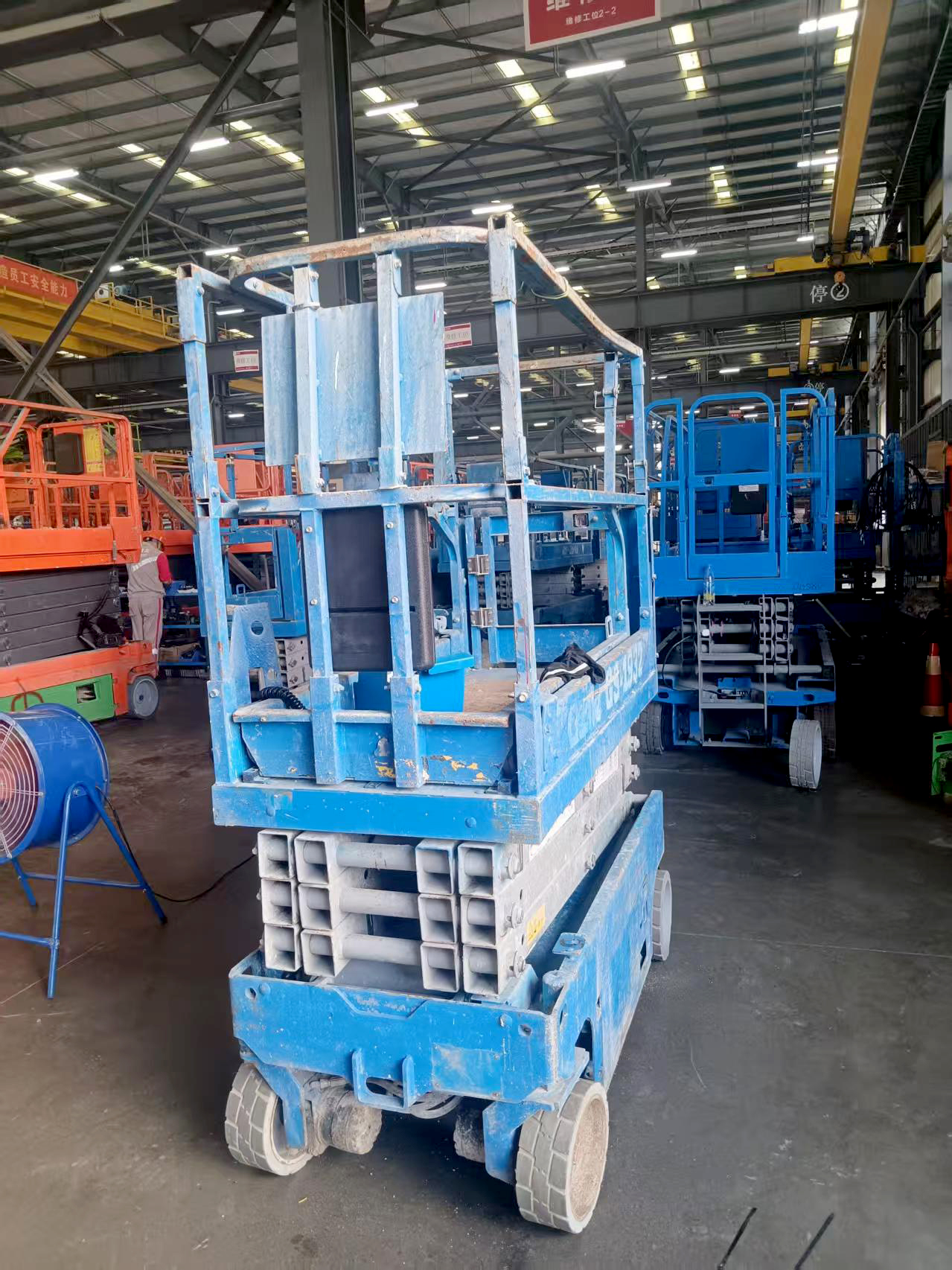
A warranty on used machinery is only as good as the words in the contract. Most used equipment is sold as-is with no warranty at all. Remanufactured machines may carry 30, 60, or 90 days of coverage — but what does that actually cover, and what does it exclude? Here is the honest truth about used-machinery warranties, how to read the fine print, and the questions to ask before you pay the deposit.
The honest truth about used-machinery warranties
No one warrants a 6,000-hour excavator like a brand-new one. A used-machine warranty is a targeted promise: it covers specific failures within a defined window, under defined conditions, and it almost always excludes the parts that fail most often. Understanding what is and is not covered is the difference between a warranty that saves you thousands and one that is worthless the moment you need it.
The first thing to know is that the majority of used construction machinery sold internationally comes with no warranty at all. The standard term is "as-is, where-is" — the buyer takes the machine in its current condition, and once the sale is complete, any repair costs are the buyer's responsibility. This is true for machines sold by traders, auction houses, and many dealers. It is not necessarily a problem if you have inspected the machine thoroughly and priced it accordingly — but it means you should budget for potential repairs.
Warranties become available when you buy from a dealer or remanufacturer that stands behind its work. The warranty is essentially a signal: the seller has inspected, serviced, and tested the machine, and is willing to back that work with a financial commitment. The length and scope of the warranty tell you how confident the seller is in the machine's condition.
Before diving into coverage details, you may want to review our guides on remanufactured vs refurbished vs rebuilt vs as-is (the condition standard directly affects the warranty), the 29-point inspection process, and how ASURE does quality control.
Typical warranty periods by machine condition
The warranty period is closely tied to the condition standard of the machine. Here is what you can typically expect:
| Machine condition | Typical warranty period | What is typically covered |
|---|---|---|
| As-Is | None | Nothing — buyer assumes all risk after delivery |
| Refurbished (Grade C) | 30–90 days | Major components only (engine, hydraulic pump, transmission) — usually limited to repair or replacement of failed parts |
| Rebuilt (Grade B) | 90–180 days | Rebuilt components plus major systems; may include parts and labor for covered failures |
| Remanufactured (Grade A) | 6–12 months | Comprehensive coverage comparable to new-machine warranty for major systems; may include parts, labor, and technical support |
These are general ranges, not guarantees. Every seller sets its own warranty terms, and the actual coverage can vary widely even within the same condition grade. A 90-day warranty from one dealer might cover only the engine crankshaft, while a 90-day warranty from another might cover the entire powertrain. Always read the written warranty document — do not rely on verbal promises or listing descriptions.
What a used-machinery warranty typically covers
When a used or remanufactured machine comes with a warranty, the coverage is usually focused on the major, expensive-to-repair components. These are the systems whose failure would cause significant downtime and cost. The typical covered components include:
Engine
The engine is the most commonly covered component. Warranty coverage may include the cylinder block, crankshaft, connecting rods, pistons, cylinder head, camshaft, turbocharger, and fuel injection pump. Coverage usually applies to internal failures — a seized crankshaft, a blown head gasket, a failed turbo — rather than to external adjustments or wear items.
Hydraulic system
The hydraulic pump, control valves, and swing/travel motors may be covered. Hydraulic system failures are common on used machines and can be very expensive to repair (a replacement main pump for a 20-ton excavator can cost USD 3,000–8,000). Coverage typically applies to internal pump failure or valve body malfunction, not to seal leaks or hose failures.
Transmission / drivetrain
On wheel loaders and other machine types with a transmission, the gearbox, torque converter, and axles may be covered. Transmission failures are among the most costly repairs on a wheel loader, so this coverage is valuable.
Electrical system (limited)
Some warranties cover the alternator, starter motor, and main wiring harness. However, electrical coverage is often limited because electrical faults can be caused by improper operation, water ingress, or aftermarket modifications — all of which are typically excluded.
What a used-machinery warranty almost never covers
This is the section that matters most. The exclusions in a used-machinery warranty are often longer than the coverage list, and they are the reason many warranty claims are denied. Here is what is typically excluded:
Wear items and consumables
Parts that are designed to wear out and be replaced are almost always excluded. This includes: filters (oil, fuel, hydraulic, air), engine oil and hydraulic oil, belts and hoses, brake pads and linings, clutch plates, bucket teeth and cutting edges, track pads and undercarriage wear parts (track links, rollers, idlers, sprockets), seals and gaskets, wiper blades, and light bulbs. These are considered routine maintenance items, and the buyer is expected to replace them as needed.
Damage from improper operation or maintenance
Warranties require the buyer to operate and maintain the machine according to the manufacturer's guidelines. If the machine fails because the operator ran it without oil, overloaded it beyond rated capacity, used the wrong fuel or hydraulic fluid, or failed to perform scheduled maintenance, the warranty claim will be denied. The seller may require proof of maintenance (oil change records, filter replacement receipts) to validate a claim.
Damage from accidents, abuse, or external causes
Damage from collisions, rollovers, fire, flood, lightning, vandalism, or war is excluded. Damage caused by using the machine for purposes it was not designed for (using an excavator as a crane, for example) is also excluded.
Consequential damages
Almost all used-machinery warranties exclude consequential damages — meaning the warranty covers the cost of repairing or replacing the failed part, but not the cost of downtime, lost production, rental of a replacement machine, or damage to other equipment. This is a standard limitation and applies even to new-machine warranties in most cases.
Pre-existing conditions
If a failure is caused by a condition that existed before the warranty period began (for example, a cracked cylinder block that was present at delivery but only discovered later), the claim may be denied. This is why a thorough pre-delivery inspection is critical — you need to document the machine's condition at the time of purchase so you can prove that a failure occurred during the warranty period.
How to confirm warranty terms before you buy
Do not wait until the machine arrives to find out what the warranty covers. Ask these questions before you pay the deposit, and get the answers in writing:
- What is the warranty period? Is it 30 days, 90 days, 6 months, or 12 months? Does it start from the date of shipment, the date of delivery, or the date of commissioning? (For overseas purchases, the transit time can be 30–60 days, so the start date matters.)
- What components are covered? Ask for a specific list. "Major components" is too vague — ask whether it means engine, hydraulic pump, transmission, swing motor, travel motor, or something else.
- What does the warranty pay for? Does it cover parts only, or parts and labor? Does it cover the cost of shipping replacement parts to your country? Does it cover the cost of a technician traveling to your site? (For international buyers, labor and travel costs can be significant.)
- What is the claims process? How do you report a failure? What documentation do you need to provide? How long does the seller have to respond? Is there a dispute resolution process?
- Are there any maintenance requirements? Does the warranty require you to use specific fluids or filters? Does it require scheduled maintenance at specific intervals? Do you need to keep maintenance records?
- Is the warranty transferable? If you sell the machine during the warranty period, does the warranty transfer to the new owner? (This affects resale value.)
- Can I purchase an extended warranty? Some sellers offer extended warranty coverage for an additional fee. Ask about the cost, duration, and coverage of extended options.
Get the warranty terms in writing as part of the purchase contract. A verbal promise of "don't worry, we'll take care of you" is not enforceable. The written warranty document should be signed by both parties and attached to the sales agreement.
Extended warranty options
Some sellers and third-party providers offer extended warranty plans that go beyond the standard coverage period. These plans typically extend coverage from 90 days to 6 or 12 months, or expand the list of covered components. The cost is usually 3–10 percent of the machine's purchase price, depending on the coverage level and the machine's age and condition.
Extended warranties can be worthwhile for high-value production machines where downtime is costly, or for buyers who do not have in-house mechanical expertise. However, they are not always cost-effective — if the machine has been properly remanufactured and inspected, the likelihood of a major failure in the first 6–12 months is low, and the warranty cost may exceed the expected repair cost. Consider your risk tolerance, your maintenance capability, and the machine's condition before purchasing an extended warranty.
You should also factor warranty and repair costs into your overall ownership budget. Our guide on total cost of ownership over 5 years explains how to budget for maintenance, repairs, and downtime alongside the purchase price.
ASURE's warranty policy
At ASURE Machinery, our warranty terms are tied to our machine grading system, so buyers know exactly what coverage comes with each grade:
- Grade A (Remanufactured): 12-month warranty on engine, hydraulic system, transmission, and electrical system. Covers parts and labor for covered failures. Includes remote technical support and spare parts supply at cost. Warranty starts from the date of machine commissioning at the buyer's site.
- Grade B (Rebuilt): 6-month warranty on rebuilt components (engine, hydraulics, transmission). Covers parts for covered failures; labor is covered for the first 90 days. Includes remote technical support.
- Grade C (Refurbished): 90-day warranty on engine and main hydraulic pump. Covers parts only for covered failures.
- Grade D (As-Is): No warranty. Machine sold with a written condition report so the buyer knows the exact condition at purchase.
All ASURE warranties require the buyer to perform routine maintenance according to the manufacturer's schedule and to use appropriate fluids and filters. We provide a maintenance schedule and recommended parts list with every machine. We also offer after-sales spare parts support and technical assistance for the lifetime of the machine, even after the warranty period expires. You can learn more about our service offerings on the service page and review our condition standards on the conditions page.
For buyers who want additional peace of mind, we offer extended warranty plans on Grade A and Grade B machines. Contact us for a quote based on your specific machine and coverage needs.
FAQ
Do all used machines come with a warranty?
No. The majority of used construction machinery sold internationally is sold as-is with no warranty. Warranties are typically offered only by dealers and remanufacturers who inspect and service the machines before sale. Always ask specifically about warranty coverage before purchasing, and do not assume a warranty exists.
What does a 90-day warranty actually cover?
It depends entirely on the written terms. A 90-day warranty from one seller might cover only the engine crankshaft and camshaft. Another might cover the entire engine, hydraulic pump, and transmission. Some cover parts only; others cover parts and labor. The only way to know is to read the written warranty document. Never rely on a listing description or verbal assurance.
If a seal leaks during the warranty period, is it covered?
Usually not. Seals and gaskets are classified as wear items and are almost always excluded from used-machinery warranties. A leaking seal is considered routine maintenance, not a component failure. However, if the seal leak is caused by a covered component failure (for example, excessive pressure from a failing hydraulic pump that damages the seal), the repair may be covered as part of the pump failure. This is determined on a case-by-case basis.
Can I make a warranty claim if I did not perform the scheduled maintenance?
Probably not. Most warranties require the buyer to maintain the machine according to the manufacturer's schedule and to keep records of maintenance performed. If you cannot prove that oil changes, filter replacements, and other scheduled maintenance were performed on time, the seller may deny the claim on the grounds that improper maintenance caused or contributed to the failure. Keep all maintenance receipts and records.
Is an extended warranty worth the extra cost?
It depends on the machine, the coverage, and your situation. An extended warranty is more likely to be cost-effective if: the machine is a critical production asset where downtime is expensive; you do not have in-house mechanical expertise; the machine is older or has higher hours; or the extended warranty is reasonably priced (under 5 percent of the machine value). It is less likely to be worthwhile if the machine has been thoroughly remanufactured, you have skilled maintenance staff, or the warranty cost is high relative to the machine's value. Compare the warranty cost against the expected repair cost and the cost of downtime to make your decision.
Sources and references: Construction Equipment Association guidance on used-machinery warranties; manufacturer warranty documentation (Caterpillar, Komatsu, SANY); China MIIT remanufacturing quality assurance requirements; industry standard practices for used equipment warranties. For specific warranty information on ASURE Machinery equipment, visit asuremachinery.com/conditions or contact us directly.
Related News
Sep 2, 2026
Remanufactured vs Refurbished vs Rebuilt vs As-Is: What These Terms Actually Mean on Used Machinery
Four labels — remanufactured, refurbished, rebuilt, as-is — can mean a USD 5,000 to USD 50,000 price gap on the same machine. A plain-English breakdown of industry standards, what each covers, warranty differences, and how to write the condition into your contract.
Sep 2, 2026
How to Pay for Machinery from China: T/T, Letter of Credit and Trade Assurance Compared
T/T, letter of credit, Trade Assurance, or escrow — which payment method protects you best when buying used construction machinery from China? A detailed breakdown of each method's process, costs, risks, and when to use each one, with a payment timeline and comparison table.
Sep 2, 2026
How to Inspect a Machine Remotely: A Buyer's Live Video-Call Checklist
You cannot always fly to the yard. A live video walkaround is the next best thing — here is the complete checklist to run on the call: cold start, hydraulic leaks, undercarriage wear, operational tests, and how to spot the common tricks sellers use to hide problems. Includes a printable inspection checklist.