
September 2, 202612 min read
Remanufactured vs Refurbished vs Rebuilt vs As-Is: What These Terms Actually Mean on Used Machinery
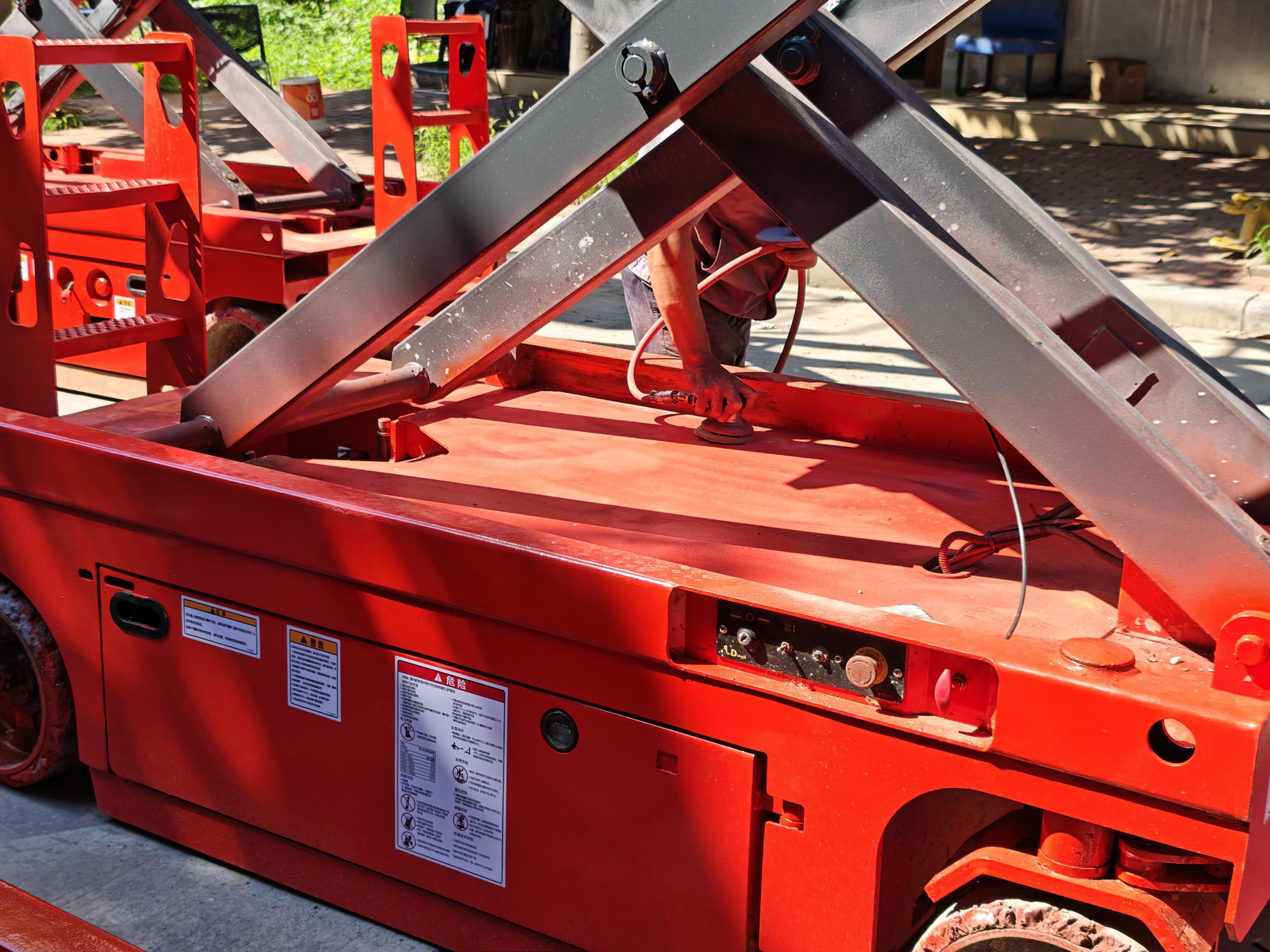
Four labels appear on nearly every used-machinery listing: remanufactured, refurbished, rebuilt, and as-is. The gap between them can mean USD 5,000 to USD 50,000 on the same machine. Here is what each term actually means, what industry standards say, and how to write them into a contract so there is no argument later.
Why the label matters more than the brand
The biggest price spread in the used-machinery market is not between a Caterpillar and a SANY, or between a 2018 and a 2020 model. It is between delivery standards on the same machine. A 2018 CAT 320D sold "as-is" from a trader's yard and the same machine sold as "remanufactured" from a certified workshop can differ by 30 to 50 percent in price. The difference is not paint. It is how many components were disassembled, measured, replaced, and tested before the machine was offered for sale.
The problem is that these four words are not legally defined in most jurisdictions. A seller can call a machine "refurbished" after washing it and touching up the paint. Another seller uses the same word to mean a full engine overhaul. Without a written standard, the buyer has no way to know which one they are getting. This guide explains the generally accepted industry meanings, references the standards that do exist, and shows you how to pin the seller down in writing.
Before you read on, you may also want to review our companion guides on how to inspect a used excavator, the 29-point inspection process, and used-machinery quality grading standards.
As-Is: the machine, exactly as it stands
"As-is" (sometimes written "as is, where is") is the most honest label because it promises nothing. The seller is saying: this machine is in its current condition, with all faults visible and hidden, and you are buying it at your own risk. Once you pay and take delivery, there is no warranty, no return, and no claim for defects you discover later.
That does not mean as-is machines are always a bad deal. A buyer who is mechanically competent, who can inspect the machine thoroughly, and who has a workshop to handle repairs can often buy an as-is machine at a steep discount and bring it up to standard for less than the premium a refurbished unit would cost. The key word is can. You need the skill, the tools, and the time.
What as-is does not mean: it does not mean the machine is broken. Many as-is machines run perfectly. It means the seller is not standing behind the condition. It also does not relieve the seller of responsibility for outright fraud — misrepresenting the hour meter, hiding a cracked frame, or selling a stolen machine is still illegal. But ordinary wear, a leaking seal, or a weak hydraulic pump is yours to fix.
If you are buying as-is, a remote video inspection or, better, an independent third-party inspection is essential. You should also verify machine year and hour readings before committing.
Refurbished: cleaned, cosmetically restored, functionally checked
"Refurbished" is the loosest term in the industry and the one most prone to abuse. In general, a refurbished machine has been cleaned, inspected, had obvious faults repaired, and been cosmetically restored (new paint, new decals, perhaps new seat covers). The engine, hydraulics, and transmission are typically checked but not disassembled. Worn parts are replaced only if they have failed or are visibly near failure.
The range of what "refurbished" covers is enormous. At the low end, a trader may pressure-wash a machine, spray it with paint, and list it as refurbished without replacing a single component. At the high end, a reputable dealer may replace all filters, fluids, seals, hoses, and worn undercarriage parts, then test the machine under load. Both are called "refurbished."
This is why you must ask for a written list of exactly what was done. A reputable seller will give you an itemized work order: which parts were replaced, which systems were tested, what the hour reading was before and after. If the seller cannot or will not provide this, treat the machine as as-is regardless of the label.
Refurbished machines typically come with a short warranty — 30 to 90 days is common — covering major components only. The warranty is a signal that the seller has at least checked the machine, but it is not a guarantee of like-new condition. Read our guide on used-machinery warranties for what these warranties actually cover.
Rebuilt: major components disassembled and restored
"Rebuilt" usually refers to a specific major component — an engine, a transmission, a hydraulic pump — being disassembled, inspected component by component, and restored to serviceable condition. Worn parts (bearings, seals, gaskets, piston rings) are replaced. Machined surfaces may be honed, ground, or resurfaced. The component is then reassembled and tested.
A "rebuilt engine" is not the same as a "remanufactured engine." The key difference is the standard of measurement. In a rebuild, a technician replaces parts that are visibly worn and machines surfaces that are obviously out of spec. In a remanufacture, every component is measured against the original equipment manufacturer (OEM) specifications, and any part outside tolerance is replaced or restored to spec. A rebuild can leave a part that is within the "acceptable wear" range but not at original specification; a remanufacture brings everything back to (or above) original specification.
When a listing says the machine has a "rebuilt engine," ask: who did the rebuild? What was the rebuild standard? Were all wear parts replaced, or only the failed ones? Is there a dyno test report? A rebuild done by a reputable engine shop with a written report is very different from a backyard rebuild with no documentation.
A machine may have a rebuilt engine but original hydraulics and a worn undercarriage. "Rebuilt" describes a component, not necessarily the whole machine. Always ask which systems were rebuilt and which were left as-is.
Remanufactured: the highest standard — like-new, by specification
Remanufacturing is the most rigorous of the four standards. A remanufactured machine (or component) is completely disassembled. Every part is cleaned, inspected, and measured against OEM specifications. Parts that are out of tolerance are replaced or restored using approved processes (machining, welding, metal spraying, etc.). All wear items — bearings, seals, gaskets, filters, belts, hoses — are replaced with new ones. The machine is then reassembled, tested under load, and certified to meet or exceed the performance of a new unit.
This is not just our definition. China's Ministry of Industry and Information Technology (MIIT), in its Regulations for the Remanufacturing Industry of Mechanical and Electrical Products, defines remanufacturing as "a production process that uses advanced and applicable processes, technologies, equipment and materials to professionally repair or upgrade used parts so that the performance and quality of remanufactured products reach or exceed those of the original new product." Remanufactured products must also meet national mandatory standards for safety, energy efficiency, and environmental protection. The National Development and Reform Commission's Interim Measures for the Standardized Management of Auto Parts Remanufacturing (2021) reinforces this, requiring remanufacturing enterprises to provide quality assurance and after-sales service no lower than that for original new products.
Internationally, the Association of Remanufacturers and Aftermarket (ARM), the US Remanufacturing Industries Council (RIC), and the European Remanufacturing Network all use comparable definitions built on the same principles: full disassembly, cleaning, inspection to specification, replacement of worn components, reassembly, and testing. The common thread is that remanufacturing is a manufacturing process using production-line quality control, not a one-off repair.
A remanufactured machine should come with documentation: a list of replaced parts, measurement records for critical components, test reports, and a warranty comparable to (or in some cases identical to) a new machine. The price reflects this: a remanufactured machine typically costs 50 to 80 percent of the price of a new equivalent, which is still a significant saving but far above as-is or refurbished pricing.
At ASURE, our remanufacturing process follows a structured protocol: full disassembly, component-level measurement, OEM-spec replacement, reassembly, and a multi-hour load test. We document every step and provide the report to the buyer. You can see our current remanufactured inventory, such as the CAT 320D hydraulic excavator and the Komatsu PC200, on our product pages.
Side-by-side comparison
| Standard | What is done | Component level | Typical warranty | Price vs. new | Best for |
|---|---|---|---|---|---|
| As-Is | None — machine sold in current condition | Not inspected or guaranteed | None | 20–40% | Mechanically skilled buyers, budget purchases, machines for immediate short-term use |
| Refurbished | Cleaned, inspected, obvious faults repaired, cosmetically restored | Checked but not disassembled; failed parts replaced | 30–90 days, major components | 35–55% | Buyers who want a turnkey machine but do not need like-new performance |
| Rebuilt | Specific major component(s) disassembled and restored | Component-level; worn parts replaced, surfaces machined | 90–180 days on rebuilt component | 45–65% | Machines with one known weak system that needs full restoration |
| Remanufactured | Full disassembly, every part measured to OEM spec, all wear items replaced, load-tested | Full machine or component to original specification | 6–12 months, comparable to new | 50–80% | Buyers who need reliable production machines with documented quality |
How to write the standard into your contract
A label on a listing is not a contract. If the condition of the machine matters to you, you must write the standard into the purchase agreement in specific, measurable terms. Here is what to include:
- Define the standard by what is done, not by the label. Instead of "machine shall be refurbished," write: "Seller shall replace all engine oil, hydraulic oil, filters, and worn seals; inspect and report on undercarriage wear; repair any visible hydraulic leaks; and apply fresh paint. Seller shall provide an itemized list of all work performed."
- Require documentation. Specify that the seller must provide a work order, a list of replaced parts (with part numbers), and any test reports. For remanufactured machines, require component measurement records.
- Define the warranty in writing. State the duration, what is covered, what is excluded, and how claims are handled. Do not rely on verbal promises. Our warranty guide explains the typical coverage and exclusions.
- Set a delivery condition. Specify that the machine must be in the stated condition at the time of delivery, not just at the time of inspection. If possible, arrange for a final inspection before the balance payment is released.
- Reference an accepted standard where possible. If the seller claims remanufactured status, reference the relevant standard (e.g., MIIT remanufacturing regulations, ARM guidelines, or the OEM's own remanufacturing specification) in the contract.
You can also review our conditions and grading page to see how ASURE categorizes machine condition, and our inspection service page for independent verification options.
ASURE's grading standard
At ASURE Machinery, we use a transparent grading system so buyers know exactly what they are getting. Every machine we sell is classified into one of four grades, and the grade is backed by a written work report:
- Grade A — Remanufactured: Full disassembly and component-level restoration to OEM specification. All wear parts replaced. Load-tested and certified. 12-month warranty on major systems.
- Grade B — Rebuilt: Major components (engine, hydraulics, transmission) rebuilt with documented parts replacement. Undercarriage inspected and worn parts replaced. 6-month warranty.
- Grade C — Refurbished: Full inspection, fluids and filters replaced, visible faults repaired, fresh paint. 90-day warranty on engine and hydraulic system.
- Grade D — As-Is: Machine sold in discovered condition after basic cleaning. No warranty. Inspection report provided so buyer knows the condition.
Every machine comes with a written condition report listing hour reading, undercarriage wear percentage, any known issues, and the work performed. We encourage buyers to arrange an independent inspection or a remote video inspection before purchase. You can browse our current inventory by category: excavators, wheel loaders, and cranes.
FAQ
Is a remanufactured machine as good as new?
A properly remanufactured machine should meet or exceed the performance specifications of a new machine, because every component is measured and restored to OEM tolerance. The difference is that some structural components (the frame, the boom) are original rather than new, though they are inspected and certified. Remanufactured machines also carry lower depreciation because they are sold at a lower initial price.
Can I trust a "refurbished" label from a seller I do not know?
Not without documentation. Ask for an itemized work order and a list of replaced parts. If the seller cannot provide this, assume the machine is effectively as-is and price it accordingly. An independent inspection is always advisable when buying from an unknown seller.
How much should I pay extra for a remanufactured machine over an as-is one?
The premium varies by machine type, age, and the scope of remanufacturing. As a rough guide, a remanufactured excavator may cost 50 to 100 percent more than the same machine in as-is condition. The premium reflects the cost of disassembly, parts, labor, testing, and the warranty. Whether it is worth it depends on how you plan to use the machine — for production-critical work, the reliability and documented quality usually justify the cost.
What does "rebuilt engine" mean if the rest of the machine is original?
It means exactly that: the engine has been rebuilt, but the hydraulic system, transmission, undercarriage, and electrical system are in their original, used condition. A rebuilt engine is a significant improvement, but it does not make the whole machine "rebuilt." Always ask which systems were addressed and which were not.
Should I buy as-is and rebuild myself to save money?
This can be cost-effective if you have a skilled workshop, access to parts, and the time to do the work. However, buyers often underestimate the cost of hidden damage and the time required for a proper rebuild. If you need a production machine quickly, a professionally remanufactured unit is usually more reliable and may end up costing less when downtime is factored in. Our guide on total cost of ownership can help you compare the options.
Sources and references: China MIIT, "Regulations for the Remanufacturing Industry of Mechanical and Electrical Products" (2023); National Development and Reform Commission, "Interim Measures for the Standardized Management of Auto Parts Remanufacturing" (2021); Association of Remanufacturers and Aftermarket (ARM) remanufacturing guidelines; Remanufacturing Industries Council (RIC) definitions. For more information on ASURE's grading and inspection process, visit asuremachinery.com/conditions or contact us directly.
Related News
Sep 2, 2026
How to Pay for Machinery from China: T/T, Letter of Credit and Trade Assurance Compared
T/T, letter of credit, Trade Assurance, or escrow — which payment method protects you best when buying used construction machinery from China? A detailed breakdown of each method's process, costs, risks, and when to use each one, with a payment timeline and comparison table.
Sep 2, 2026
What Warranty Do You Actually Get on Used and Remanufactured Machinery?
Most used machinery is sold as-is with no warranty. Remanufactured machines may carry 30 to 90 days — but what does that actually cover, and what does it exclude? An honest breakdown of warranty coverage, exclusions, how to confirm terms before buying, and ASURE's warranty policy.
Sep 2, 2026
How to Inspect a Machine Remotely: A Buyer's Live Video-Call Checklist
You cannot always fly to the yard. A live video walkaround is the next best thing — here is the complete checklist to run on the call: cold start, hydraulic leaks, undercarriage wear, operational tests, and how to spot the common tricks sellers use to hide problems. Includes a printable inspection checklist.