
October 10, 20253 min read
Engineering Insights: How to Choose the Right Excavation Equipment for Foundation Pits – Save Time, Money, and Effort!
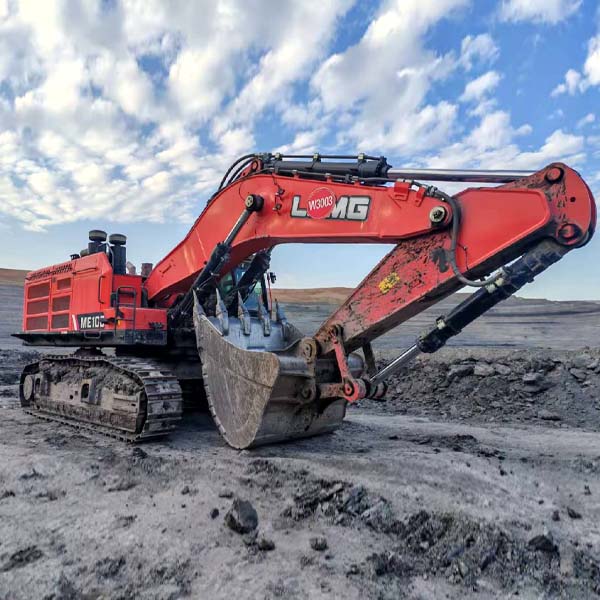
Foundation pit excavation is one of the most essential stages in any construction project. The choice of machinery directly determines work efficiency, cost control, quality, and on-site safety. Choosing the right equipment means higher productivity and lower operating expenses, while poor decisions may cause project delays, excessive fuel consumption, or safety risks.
1. Core Principle: No "Best" Machine—Only the Most Suitable Solution
The most advanced or expensive machine is not necessarily the best option. Equipment selection should always follow the principles of "suitability, cost-effectiveness, technological advancement, and safety reliability", based on actual site conditions and project requirements.
2. Five Key Factors When Selecting Excavation Machinery
1️⃣ Foundation Pit Characteristics & Geological Conditions
- Depth and scale
- Shallow pits (<5m) → Standard excavators are flexible and cost-efficient.
- Deep or large pits → Combine long-reach excavators and dragline excavators for multi-layer excavation.
- Soil type
- Soft soil or silt → Use swamp excavators to prevent sinking.
- Clay or sand → Regular excavators or loaders work perfectly.
- Rock or hard layers → Use rock breakers or heavy-duty excavators with reinforced arms.
- Groundwater level
- For high water tables, apply dewatering first and select wetland-adapted machinery.
2️⃣ Workload and Schedule Requirements
- High volume, tight schedule → Choose large, high-capacity excavators and loaders, supported by multiple dump trucks for continuous operations.
- Small or short-term projects → Opt for compact or rental equipment to reduce investment.
3️⃣ Site Conditions and Space Limitations
- Open field construction → Larger machines increase efficiency.
- Urban or confined sites → Use mini or micro excavators ("mini diggers") for flexible maneuvering.
- Sensitive surroundings → Select low-noise, low-vibration equipment to protect nearby structures.
4️⃣ Earth Disposal Method & Distance
- On-site or short haul → Excavator + loader combination is enough.
- Long-distance transport → Match excavator bucket size with truck capacity for maximum cycle efficiency.
5️⃣ Cost & Economic Considerations
- Decide between purchase or rental based on project frequency.
- Evaluate fuel efficiency, maintenance cost, and operator skill.
- High-efficiency machines can lower labor costs and improve ROI.
3. Common Excavation Machinery and Their Applications
| Equipment | Key Features | Typical Applications |
|---|---|---|
| Hydraulic Excavator | Versatile, efficient, compatible with attachments | Earthmoving, foundation pit excavation |
| Swamp Excavator | Low ground pressure, prevents sinking | Wetlands, marshes, riverbank projects |
| Long-Reach Excavator | Extended boom for deep digging | Deep foundation pits, dredging works |
| Dragline Excavator | Cable-operated, underwater capability | Deep shafts, underwater excavation |
| Wheel Loader | High mobility, short-distance transport | Loading, soil transfer, site leveling |
| TBM / Shield Machine | Automated tunneling | Tunnel or underground corridor construction |
| Mini Excavator | Compact size, easy to maneuver | Narrow spaces, urban projects, indoor jobs |
4. Step-by-Step Equipment Selection Process
- Analyze drawings and geological data (depth, soil type, groundwater).
- Inspect site conditions (accessibility, available space).
- Determine excavation method (slope or retaining wall).
- Pre-select equipment type and capacity.
- Develop a comprehensive excavation plan with logistics and safety details.
- Execute construction with skilled operators and real-time supervision.
✅ Conclusion
Selecting the right foundation excavation machinery is a balance between technical performance, cost-effectiveness, and operational safety.
By understanding your project's conditions and applying the right combination of excavators, loaders, and hauling vehicles, contractors can achieve faster progress, lower costs, and safer outcomes.
If you're looking for reliable, high-performance excavation and lifting equipment, Asure Machinery provides a full range of solutions with global delivery and after-sales support.
Related News
Sep 2, 2026
Remanufactured vs Refurbished vs Rebuilt vs As-Is: What These Terms Actually Mean on Used Machinery
Four labels — remanufactured, refurbished, rebuilt, as-is — can mean a USD 5,000 to USD 50,000 price gap on the same machine. A plain-English breakdown of industry standards, what each covers, warranty differences, and how to write the condition into your contract.
Sep 2, 2026
How to Pay for Machinery from China: T/T, Letter of Credit and Trade Assurance Compared
T/T, letter of credit, Trade Assurance, or escrow — which payment method protects you best when buying used construction machinery from China? A detailed breakdown of each method's process, costs, risks, and when to use each one, with a payment timeline and comparison table.
Sep 2, 2026
What Warranty Do You Actually Get on Used and Remanufactured Machinery?
Most used machinery is sold as-is with no warranty. Remanufactured machines may carry 30 to 90 days — but what does that actually cover, and what does it exclude? An honest breakdown of warranty coverage, exclusions, how to confirm terms before buying, and ASURE's warranty policy.