
October 17, 20253 min read
How to Choose the Right Equipment for Open-Pit Mining? A Complete 2025 Selection Guide
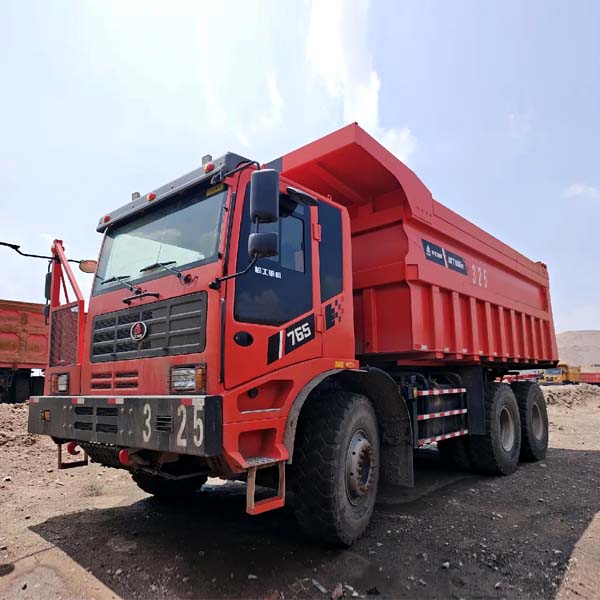
In the ever-evolving mining industry, equipment selection determines not only the cost efficiency but also the long-term safety and productivity of operations.
From drilling and blasting to loading and transportation, every process in open-pit mining relies on the correct combination of machines.
With the rapid shift toward automation, electrification, and intelligence, understanding how to select the right mining equipment in 2025 is more important than ever.
🚜 Step 1: Determine Equipment Selection Order
The correct order of equipment planning ensures efficiency and cost savings:
1️⃣ Choose the main loading equipment (excavator or electric shovel)
2️⃣ Match the hauling equipment (dump trucks or conveyor systems)
3️⃣ Select suitable drilling equipment
4️⃣ Then determine auxiliary machines (dozers, graders, etc.)
Each choice affects the entire mining system — a well-matched combination delivers higher output with lower consumption.
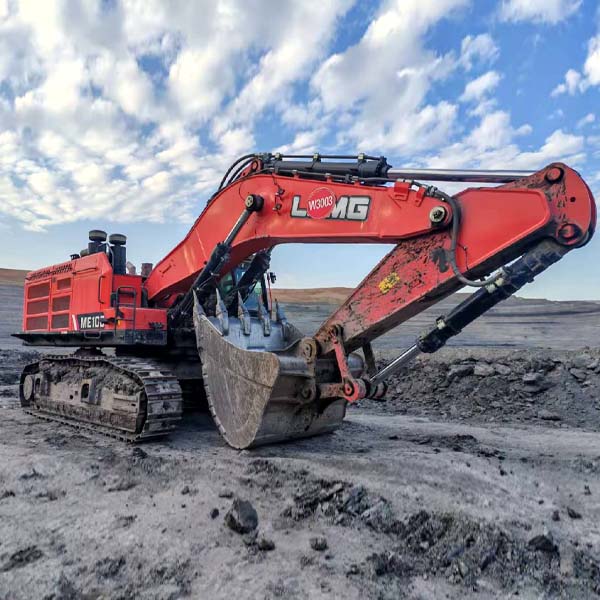
⛏️ Step 2: Excavators and Loaders – The Core of Open-Pit Operations
- Electric Shovel vs. Hydraulic Excavator
- If the mine site has stable electricity and a single ore type → choose electric shovels (more economical above 10m³ bucket capacity).
- If the site has complex geology or variable ore → hydraulic excavators are more flexible.
- Wheel Loader Selection
Loaders are ideal for stockpile handling and short-distance haulage. Choose based on haul distance and blending requirements to maintain consistent material supply.
🚚 Step 3: Haulage Equipment – The Main Cost Driver
Hauling accounts for 40–60% of total mining costs, making the right selection essential.
- Short distance (<1 km): single truck haul system.
- Long distance (>2 km): combine trucks with conveyors.
Match hauling capacity with excavator bucket size:
- 1 km → 2–4 buckets per load
- 3–5 km → 4–6 buckets per load
Efficient coordination minimizes idle time and fuel waste.
🔩 Step 4: Drilling Equipment – Precision Before Extraction
Although drilling cost is small in proportion, it's the foundation of efficient blasting.
- Rotary drills: suitable for large-scale, hard rock mines.
- Down-the-hole (DTH) drills: ideal for medium and small mines or specialized applications like slope holes or dewatering holes.
Automation is trending fast — remote-controlled and intelligent drills are reshaping modern mining operations.
⚙️ Step 5: Auxiliary Equipment – The Invisible Backbone
- Bulldozers: for leveling, road building, and supporting loading operations. Large mines using 100t+ trucks should opt for dozers >380kW.
- Motor graders: maintain haul roads. Power should exceed 198kW for high-traffic routes.
- Wheel dozers: combine power and mobility — choose between the dozer and grader range.
🌍 2025 Global Trend Insight
According to the latest mining market data:
- The global open-pit mining equipment market grows at 5–7% CAGR;
- The shift toward low-emission, intelligent, and automated equipment is accelerating;
- Buyers now focus on total cost of ownership (TCO) instead of just purchase price.
Selecting equipment is no longer about "bigger is better" — it's about matching your mine's geological, operational, and cost conditions.
📞 Want to Optimize Your Mining Fleet?
Asure Machinery provides reliable surface mining and construction machinery solutions with competitive pricing and worldwide shipping support.
If you're planning a new mine or upgrading your fleet — contact our sales team for detailed equipment recommendations and a quotation.
👉 Get a Quote: www.asuremachinery.com
Related News
Sep 2, 2026
Remanufactured vs Refurbished vs Rebuilt vs As-Is: What These Terms Actually Mean on Used Machinery
Four labels — remanufactured, refurbished, rebuilt, as-is — can mean a USD 5,000 to USD 50,000 price gap on the same machine. A plain-English breakdown of industry standards, what each covers, warranty differences, and how to write the condition into your contract.
Sep 2, 2026
How to Pay for Machinery from China: T/T, Letter of Credit and Trade Assurance Compared
T/T, letter of credit, Trade Assurance, or escrow — which payment method protects you best when buying used construction machinery from China? A detailed breakdown of each method's process, costs, risks, and when to use each one, with a payment timeline and comparison table.
Sep 2, 2026
What Warranty Do You Actually Get on Used and Remanufactured Machinery?
Most used machinery is sold as-is with no warranty. Remanufactured machines may carry 30 to 90 days — but what does that actually cover, and what does it exclude? An honest breakdown of warranty coverage, exclusions, how to confirm terms before buying, and ASURE's warranty policy.