
August 22, 20252 min read
India’s Aerial Work Platform Market: Opportunities and Challenges
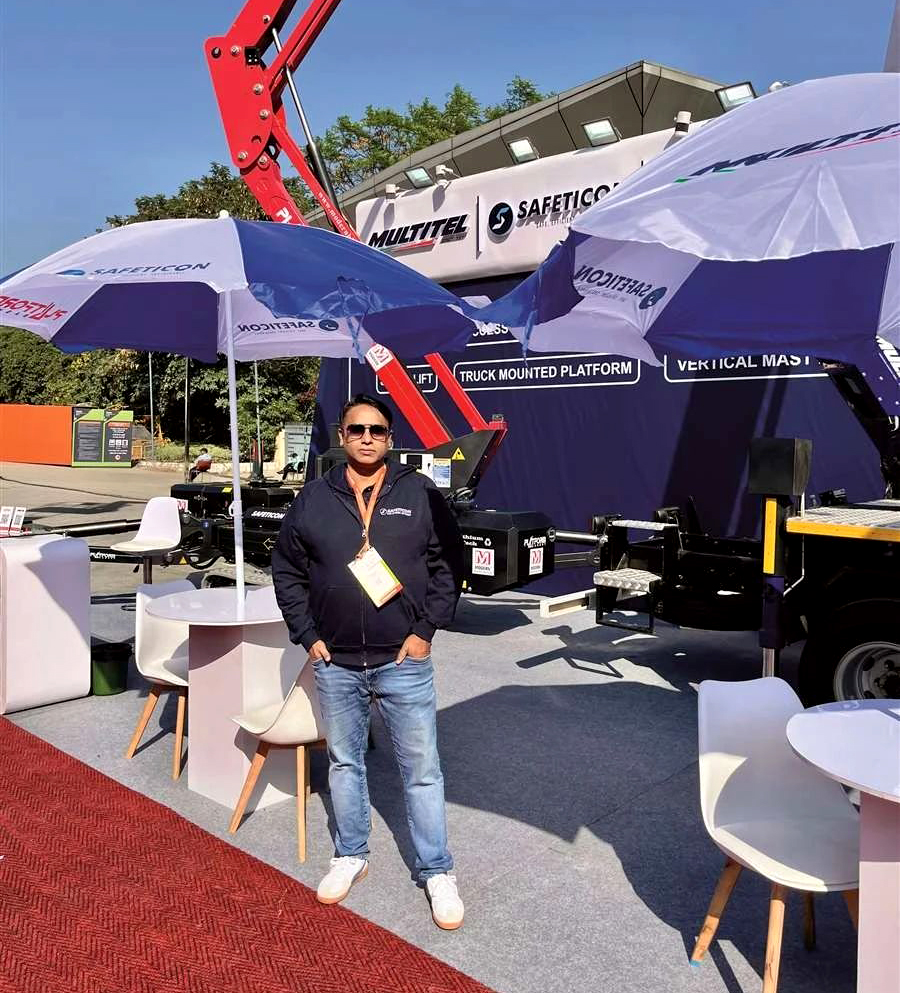
India's aerial work platform (AWP) industry is entering a new phase of development. Although the rental market remains fragmented and still relies heavily on imported equipment, growing infrastructure projects and increasing awareness of modern access solutions are driving steady demand.
Market Outlook
At present, India has around 16,000 AWPs in operation — far behind China's fleet of over 700,000 units. However, the market is expected to expand to 23,000–24,000 units by 2030, with an annual growth rate of 10–15%.
Sales of new equipment are rising, and by 2025, India is projected to purchase about 2,500 new units each year. Scissor lifts will account for nearly 90% of these sales, while demand for boom lifts is also gradually increasing. Spider lifts, although still a niche segment, are gaining traction in airports and indoor applications.
Competition and Rental Market
Major international brands, including Genie, JCB and Manitou, have established local factories. In the past 18 months, at least six Chinese manufacturers have also entered the market, highlighting India's growing importance globally.
Currently, there are about 150–160 rental companies in India, most operating small fleets of 10–20 units. Manlift, the largest rental player, has around 2,000 units. Industry experts predict market consolidation will only occur when the national fleet surpasses 25,000 units.
Growth Drivers
India's booming airport construction and urban infrastructure projects are expected to boost demand for compact scissor lifts (12–16m) and high-reach boom lifts (35–50m). The replacement of traditional scaffolding with modern AWPs will further accelerate adoption.
While the industry faces challenges such as high import costs and rental price pressure, the long-term outlook remains promising. India may take 15–20 years to reach a fleet of 100,000 units, but the growth potential is clear.
Conclusion
The Indian AWP market is still young but expanding rapidly. For manufacturers and rental companies, balancing price competitiveness, service quality, and safety standards will be the key to success in this high-potential market.
Related News
Sep 2, 2026
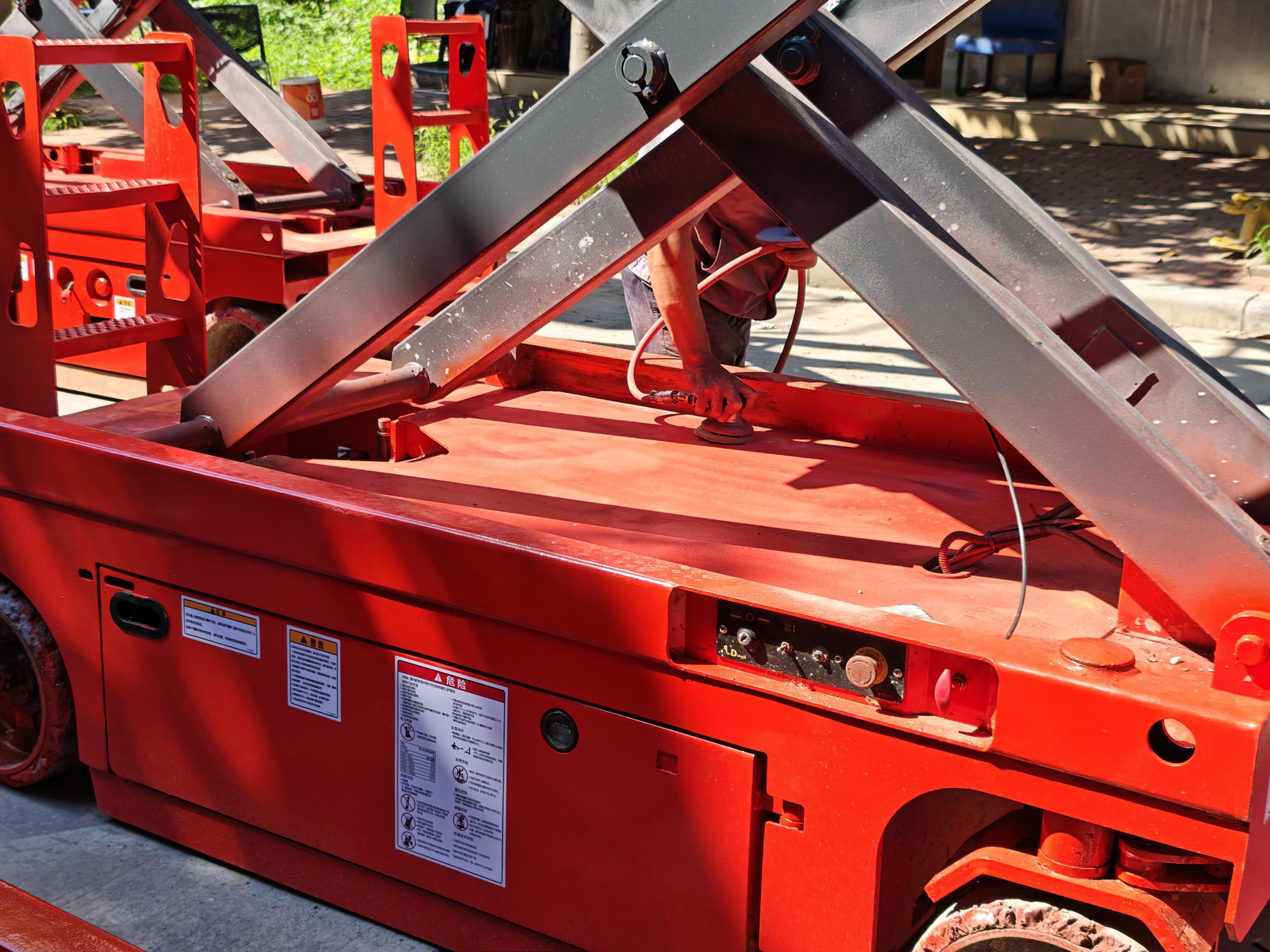
Remanufactured vs Refurbished vs Rebuilt vs As-Is: What These Terms Actually Mean on Used Machinery
Four labels — remanufactured, refurbished, rebuilt, as-is — can mean a USD 5,000 to USD 50,000 price gap on the same machine. A plain-English breakdown of industry standards, what each covers, warranty differences, and how to write the condition into your contract.
Sep 2, 2026
How to Pay for Machinery from China: T/T, Letter of Credit and Trade Assurance Compared
T/T, letter of credit, Trade Assurance, or escrow — which payment method protects you best when buying used construction machinery from China? A detailed breakdown of each method's process, costs, risks, and when to use each one, with a payment timeline and comparison table.
Sep 2, 2026
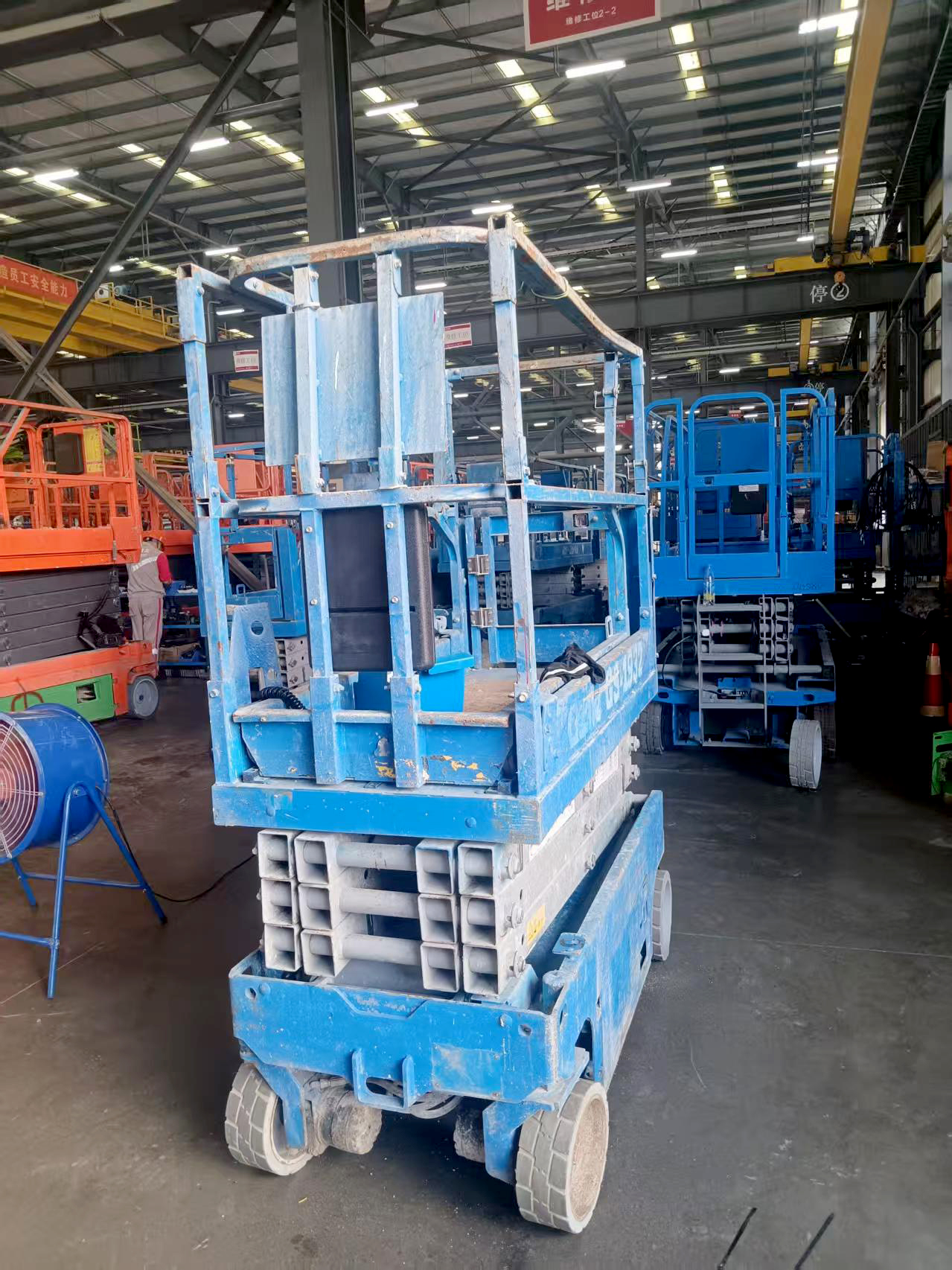
What Warranty Do You Actually Get on Used and Remanufactured Machinery?
Most used machinery is sold as-is with no warranty. Remanufactured machines may carry 30 to 90 days — but what does that actually cover, and what does it exclude? An honest breakdown of warranty coverage, exclusions, how to confirm terms before buying, and ASURE's warranty policy.