
September 2, 202614 min read
Which Machinery Brands Hold Their Resale Value Best? A Used Buyer's Guide to Exit Value
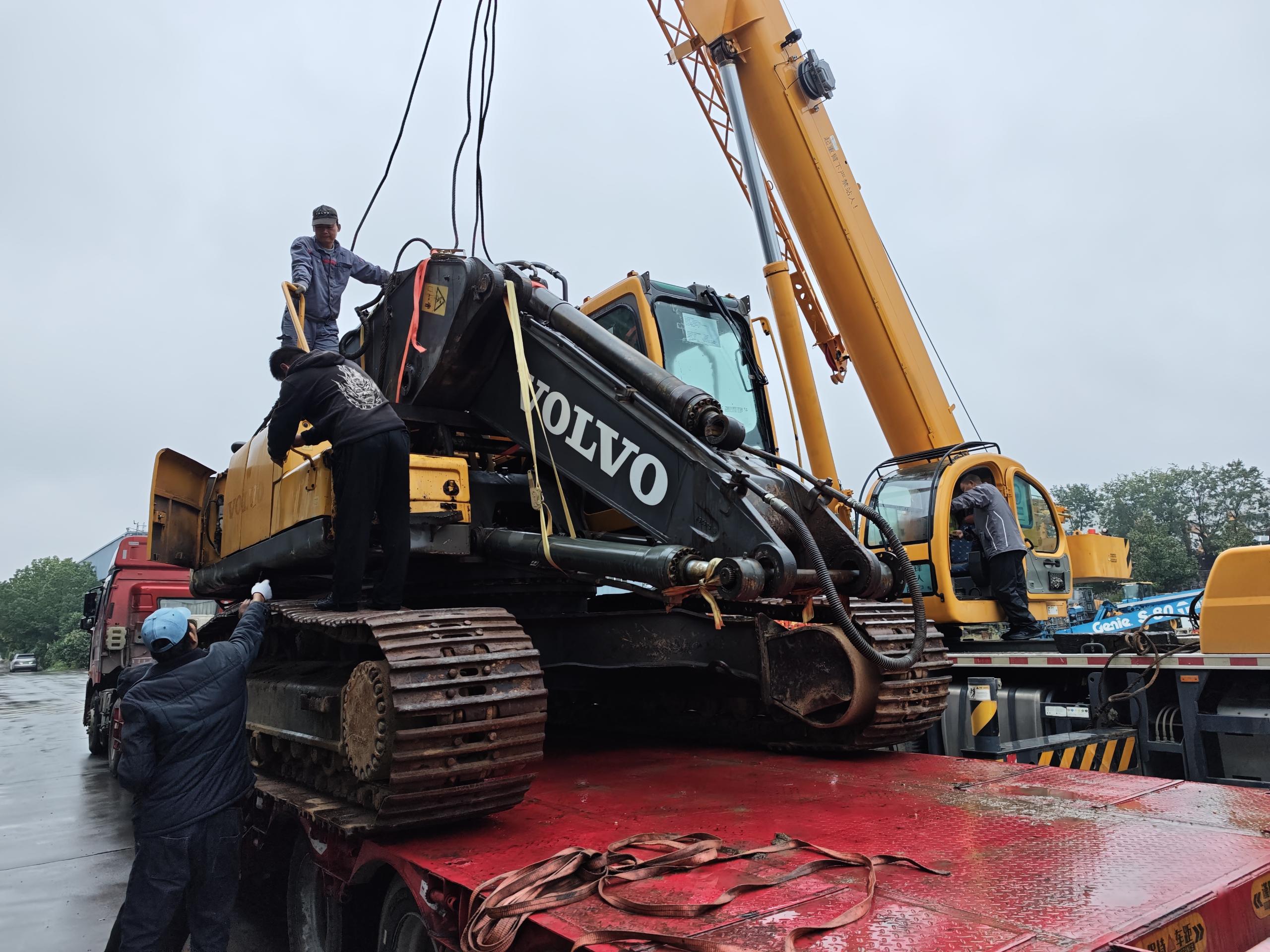
Resale value is the cost you never see on the invoice. When you buy a used excavator for $60,000, the real question is not what you paid — it is what the machine will be worth when you sell it in three or five years. A machine that costs $10,000 more upfront but retains $15,000 more value at resale is actually the cheaper machine. Yet most buyers focus almost entirely on purchase price and give little thought to exit value. This guide explains what drives machinery resale value, which brands and categories hold their value best, how to maximise the resale value of equipment you own, and how to buy with the exit in mind.
What Drives Machinery Resale Value?
Resale value — also called residual value or trade-in value — is the percentage of a machine's original (or current) value that it retains after a period of use. For construction machinery, the key drivers are:
Brand
Brand is the single biggest determinant of resale value. Brands with global reputations for durability, widespread parts availability, and large installed bases retain value better than niche or regional brands. Komatsu and Caterpillar are the gold standard for excavator resale value; JLG and Genie for aerial work platforms; Toyota and TCM for forklifts. Chinese brands (SANY, XCMG) have lower residual values but are improving as their international reputations grow.
Model and Size Class
Within a brand, some models hold value better than others. The 20-tonne excavator class (Komatsu PC200, Caterpillar 320, SANY SY215) is the most liquid segment — there are more buyers, more transactions, and more consistent pricing. Very large machines (50+ tonnes) and very small machines (under 3 tonnes) have narrower buyer pools and more volatile resale values. Popular models within a class — the PC200-8, the 320D, the Genie GS-1932 — hold value better than rare or discontinued models.
Hours and Age
Hour meter reading is the most direct measure of usage, and it has a strong inverse relationship with resale value. A machine with 3,000 hours is worth significantly more than the same model with 8,000 hours, because the lower-hour machine has more remaining service life. Age matters too — a 10-year-old machine with 3,000 hours (low utilisation) may be worth less than a 5-year-old machine with 5,000 hours (moderate utilisation), because older machines have more seal degradation, rubber ageing, and technological obsolescence regardless of hours. The ideal resale profile is a young machine with moderate hours — 3–5 years old, 3,000–6,000 hours.
Condition and Maintenance History
Two identical machines with the same hours can have very different resale values based on condition. A machine with full service records, original paint, no structural repairs, and a clean undercarriage will sell for 15–25% more than a neglected machine with patched repairs, mismatched paint, and no maintenance documentation. Buyers pay a premium for documented maintenance because it reduces perceived risk — they can see that the machine has been cared for, and they can reasonably expect it to continue performing.
Region and Supply/Demand
Resale values vary by region based on local supply and demand dynamics. A Komatsu PC200 may sell for $5,000 more in Indonesia than in Nigeria, because Komatsu's market share and parts availability are stronger in Indonesia. Regions with active construction sectors and limited new-machine supply tend to have higher used-machine prices. Currency fluctuations, import duties, and local economic conditions also affect resale values. A machine that is easy to import (low duties, simple documentation) will have a larger buyer pool and higher resale value than one that is difficult or expensive to import.
Emissions and Technology
In emissions-regulated markets (EU, North America), Tier 4 Final / Stage V machines hold value better than older Tier 3 machines because they can be legally operated. In emerging markets with looser emissions rules, Tier 3 machines often hold value better because they are simpler, cheaper to maintain, and more tolerant of poor-quality fuel. The technology profile that maximises resale value depends on the target market — there is no single "best" emissions standard for global resale.
Depreciation Curves: How Fast Do Machines Lose Value?
Construction machinery follows a typical depreciation pattern: rapid depreciation in the first 1–2 years, slowing in years 3–5, and flattening out after year 5. The commonly cited depreciation schedule for excavators is approximately:
| Year | Annual Depreciation | Cumulative Value Retained |
|---|---|---|
| Year 1 | 15–20% | 80–85% |
| Year 2 | 10–15% | 65–75% |
| Year 3 | 8–12% | 53–67% |
| Year 4 | 5–8% | 45–62% |
| Year 5 | 4–6% | 39–58% |
| Year 6+ | 3–5%/year | Gradual decline |
The steepest depreciation occurs in the first two years — which is exactly why buying used (3–5 years old) is so cost-effective. By year 3, the machine has already absorbed 35–50% of its total lifetime depreciation, and the remaining depreciation is much gentler. A buyer who purchases a 3-year-old machine and sells it at year 5 experiences only 10–15% depreciation during ownership, compared to 30–40% for a buyer who purchases new.
This depreciation pattern is why the used-machinery market exists — the original owner absorbs the steep early depreciation, and the subsequent buyer benefits from a much gentler depreciation curve. For a detailed cost analysis, see our used vs new cost comparison.
Resale Value Rankings by Category
Excavators
| Brand | 5-Year Residual Value (20t class) | Notes |
|---|---|---|
| Komatsu | 45–55% | Best-in-class; PC200 is the world's most liquid used excavator |
| Caterpillar | 40–50% | Strong; 320D/D2 dominant in Africa and Middle East |
| Hitachi/Kobelco | 40–48% | Good in Asia; less common in other regions |
| Volvo | 35–45% | Good fuel economy; smaller market share reduces liquidity |
| Doosan/Develon | 35–45% | Value brand; improving quality and support |
| SANY | 30–40% | Improving rapidly; SY215C most liquid Chinese model |
| XCMG | 30–40% | Improving; XE200GH gaining market acceptance |
| Other Chinese brands | 25–35% | Lower liquidity; parts availability varies |
Wheel Loaders
| Brand | 5-Year Residual Value | Notes |
|---|---|---|
| Caterpillar | 45–55% | 966H/950M are global benchmarks |
| Komatsu | 42–52% | WA380/WA470 strong in mining and quarry |
| Volvo | 38–48% | L90/L120 popular in Europe |
| LiuGong | 30–40% | Strong Chinese loader brand; improving internationally |
| SANY/XCMG | 28–38% | Value-priced; growing export presence |
Aerial Work Platforms
| Brand | 5-Year Residual Value | Notes |
|---|---|---|
| JLG | 45–55% | Global #1 AWP brand; strongest rental fleet demand |
| Genie | 43–53% | Global #2; GS scissor and S/Z booms widely sought |
| Haulotte | 38–48% | Strong in Europe; less common elsewhere |
| Dingli | 32–42% | Fast-growing Chinese AWP maker; improving residual values |
| Sinoboom/LGMG | 30–40% | Emerging Chinese brands; lower liquidity |
Forklifts
| Brand | 5-Year Residual Value | Notes |
|---|---|---|
| Toyota | 50–60% | Best resale of any forklift brand; legendary durability |
| TCM | 45–55% | Strong Japanese brand; good parts availability |
| Mitsubishi/Caterpillar | 42–52% | Solid quality; global distribution |
| Jungheinrich/Linde | 40–50% | Premium European brands; strong in EU |
| Heli/Hangcha | 35–45% | Dominant Chinese brands; improving international resale |
Chinese Brands: The Resale Value Trajectory
Chinese construction machinery brands have historically had lower residual values than Western brands, but the gap is narrowing. Three factors are driving this improvement:
- Quality improvement — Current-generation Chinese premium-series machines (SANY H-series, XCMG GH-series) have MTBF (mean time between failures) of 800–1,200 hours, up from 300–400 hours in the early 2010s. As buyers experience better reliability, they are willing to pay more for used Chinese machines.
- International service network expansion — SANY now has dealers in 150+ countries and international revenue of 55.9 billion RMB (64% of total). XCMG exports to 190+ countries. As parts and service become more accessible, the perceived risk of buying a used Chinese machine decreases, supporting resale prices.
- Brand awareness and market share growth — Chinese brands now hold 18.7% of the global construction machinery market (up from under 3% in 2010), with XCMG ranked #3 and SANY #6 in the 2025 KHL Yellow Table. As more new Chinese machines are sold globally, the installed base grows, creating a larger pool of used buyers and supporting residual values.
Industry analysts expect Chinese brand residual values to improve by 5–10 percentage points over the next 3–5 years. However, they are unlikely to reach Komatsu/Caterpillar levels in the near term, because the Western brands' decades-long track records and unmatched global dealer networks create a durable resale advantage.
How to Maximise Your Machine's Resale Value
If you own construction machinery, there are concrete steps you can take to maximise its value when you sell. These steps cost relatively little during ownership but can return 15–25% more at resale.
Maintain Complete Service Records
This is the single most impactful thing you can do. Keep every service invoice, oil analysis report, filter change record, and repair receipt. A machine with documented maintenance sells for 10–20% more than an identical machine with no records, because buyers can verify that it has been cared for. Use a digital logbook or a simple spreadsheet to record every service event, and keep physical receipts in a file with the machine's documentation.
Keep Original Paint and Decals
Original factory paint is a signal of low usage and careful ownership. A machine that has been repainted — especially if the repaint is obvious (orange peel, mismatched colours, overspray on glass or seals) — raises suspicion that the seller is hiding damage or excessive wear. If you must touch up paint for corrosion protection, use colour-matched touch-up paint rather than a full respray, and disclose any touch-up work to the buyer. Keep original decals and identification plates intact and legible.
Manage Hours Strategically
Hour thresholds matter in the used market. A machine with 4,900 hours is worth noticeably more than the same machine with 5,100 hours, because buyers filter by "under 5,000 hours." If you are planning to sell, try to time the sale just before a major hour threshold (5,000, 8,000, 10,000). If you have multiple machines, rotate usage to keep hours balanced across the fleet rather than running one machine to high hours while another sits idle.
Address Repairs Before Selling
A machine with a known issue — a leaking cylinder, a worn undercarriage, a cracked windshield — will sell for far less than the cost of the repair, because buyers discount for uncertainty and the inconvenience of arranging repairs. If a hydraulic cylinder leaks and costs $500 to reseal, a buyer may discount the machine by $2,000–3,000 for that issue. Spend the money to fix obvious problems before listing the machine for sale. At minimum, address safety-related issues (brakes, seatbelts, lights, backup alarms) that could prevent a sale.
Sell at the Right Time
Construction machinery prices follow seasonal and cyclical patterns. In most markets, prices are higher in the spring (Q1–Q2) as construction season begins and buyers prepare for projects. Prices tend to be lower in late autumn and winter (Q4) as construction slows and sellers become more motivated. If you can time your sale to the spring market, you may realise 5–10% more than selling in winter. Longer-term, selling during a construction upswing (when demand is high and new-machine lead times are long) yields better prices than selling during a downturn.
Present the Machine Well
First impressions matter. Clean the machine thoroughly — pressure wash the undercarriage, wipe down the cab, clean the windows, remove debris from the engine compartment. A clean machine signals careful ownership and makes it easier for the buyer to inspect. Take good photographs from multiple angles (left side, right side, front, rear, cab interior, engine compartment, undercarriage) and include a video of the machine operating. Provide a detailed specification sheet and the inspection report. Professional presentation can add 5–10% to the sale price.
Buying with Resale in Mind
The best time to think about resale value is before you buy, not after. When evaluating a used machine, ask yourself: "If I need to sell this in 3 years, who will buy it, and how much will it be worth?"
- Choose liquid brands and models — A Komatsu PC200 or Caterpillar 320 will always have buyers. A niche brand or rare model may take months to sell and require a price discount. If resale is a priority, stick to the most popular models in the most popular size classes.
- Buy at the right age/hours — The sweet spot for resale-friendly buying is 3–5 years old with 3,000–6,000 hours. These machines have already absorbed the steep early depreciation, have plenty of remaining service life, and are still young enough to appeal to a broad range of buyers when you resell.
- Verify hours and condition — A machine with misrepresented hours or hidden damage will be worth far less than you expect when you try to resell. Always verify hours through ECU reading, service records, and physical wear cross-check. See our guide to verifying year and hours for detailed methods.
- Factor resale into TCO — When comparing two machines, include the expected resale value in your total cost of ownership calculation. A machine that costs $10,000 more but retains $15,000 more value is $5,000 cheaper over the ownership period. Our 5-year TCO guide walks through this calculation in detail.
- Consider the target resale market — If you plan to resell in your local market, choose brands with strong local parts and service support. If you plan to export the machine for resale, choose brands and models that are popular in the target export market (e.g., Komatsu for Southeast Asia, Caterpillar for Africa).
FAQ
Q: What is a good residual value for a 5-year-old excavator?
For a well-maintained 20-tonne class excavator, a 5-year residual value of 45–55% is excellent (Komatsu, Caterpillar), 35–45% is good (Volvo, Doosan), and 30–40% is typical for Chinese brands (SANY, XCMG). Below 30% suggests the brand has poor market acceptance, the machine has high hours or poor condition, or the local market has weak demand. These ranges are indicative for emerging markets; residual values in North America and Europe may differ.
Q: How much does a full service history add to resale value?
A complete, documented service history typically adds 10–20% to the resale value of a used machine. This is because service records reduce the buyer's perceived risk — they can see that the machine has been maintained according to the manufacturer's schedule, and they can identify any major repairs that have been performed. Machines without service records sell at a discount because buyers assume the worst (neglected maintenance, hidden problems).
Q: Should I repaint a machine before selling?
Generally, no. A full repaint raises suspicion that the seller is hiding damage, excessive wear, or a machine that has been in an accident. Buyers and inspectors are trained to look for signs of repainting (overspray on seals and glass, mismatched paint thickness, fresh paint on worn surfaces). If the machine has minor paint chips or surface rust, use colour-matched touch-up paint and disclose it. If the machine's paint is genuinely poor (faded, peeling, extensive rust), a professional repaint may add value — but only if done well and disclosed honestly. When in doubt, leave the original paint and let the machine's condition speak for itself.
Q: How do hour thresholds affect resale value?
Hour thresholds create step-function drops in resale value. The most significant thresholds are 5,000, 8,000, and 10,000 hours. A machine with 4,900 hours may sell for $3,000–5,000 more than the same machine with 5,100 hours, because many buyers filter their search to "under 5,000 hours." If you are planning to sell, try to list the machine before it crosses a major threshold. If it has already crossed, emphasise the machine's condition and maintenance history to justify the higher hours.
Q: Are Chinese brand excavators a bad choice if I care about resale value?
Not necessarily. While Chinese brands have lower residual value percentages than Komatsu or Caterpillar, their absolute depreciation (dollars lost) is still lower because the purchase price is much lower. A SANY SY215C that costs $40,000 and retains 35% ($14,000) loses $26,000 over 5 years, while a Komatsu PC200 that costs $75,000 and retains 50% ($37,500) loses $37,500. The Chinese machine still costs less in absolute depreciation. The key caveat is liquidity — a Komatsu will sell in weeks, while a Chinese brand may take months in some markets. If you need to sell quickly, pay the premium for a more liquid brand. If you can wait for the right buyer, a Chinese brand can still be the lower-cost choice.
Sources: EquipmentWatch and Rouse Services residual value data; KHL Group International Construction Yellow Table 2025 (Chinese brands 18.7% global market share, XCMG #3, SANY #6); SANY Heavy Industry 2025 Annual Report (international revenue 55.9B RMB, 64% overseas); China Construction Machinery Association (CCMA) reliability data; industry depreciation schedules from Machinery Trader and Equipment Trader. Residual value ranges are indicative for well-maintained machines in emerging markets and may vary significantly by region, model, condition, and market conditions. MTBF data is industry-estimated. Users should verify current market values with local dealers or auction results before making purchase or sale decisions.
Related News
Sep 2, 2026
Remanufactured vs Refurbished vs Rebuilt vs As-Is: What These Terms Actually Mean on Used Machinery
Four labels — remanufactured, refurbished, rebuilt, as-is — can mean a USD 5,000 to USD 50,000 price gap on the same machine. A plain-English breakdown of industry standards, what each covers, warranty differences, and how to write the condition into your contract.
Sep 2, 2026
How to Pay for Machinery from China: T/T, Letter of Credit and Trade Assurance Compared
T/T, letter of credit, Trade Assurance, or escrow — which payment method protects you best when buying used construction machinery from China? A detailed breakdown of each method's process, costs, risks, and when to use each one, with a payment timeline and comparison table.
Sep 2, 2026
What Warranty Do You Actually Get on Used and Remanufactured Machinery?
Most used machinery is sold as-is with no warranty. Remanufactured machines may carry 30 to 90 days — but what does that actually cover, and what does it exclude? An honest breakdown of warranty coverage, exclusions, how to confirm terms before buying, and ASURE's warranty policy.