
August 29, 20262 min read
Import Duty and HS Codes for Construction Machinery: How to Estimate Landed Cost
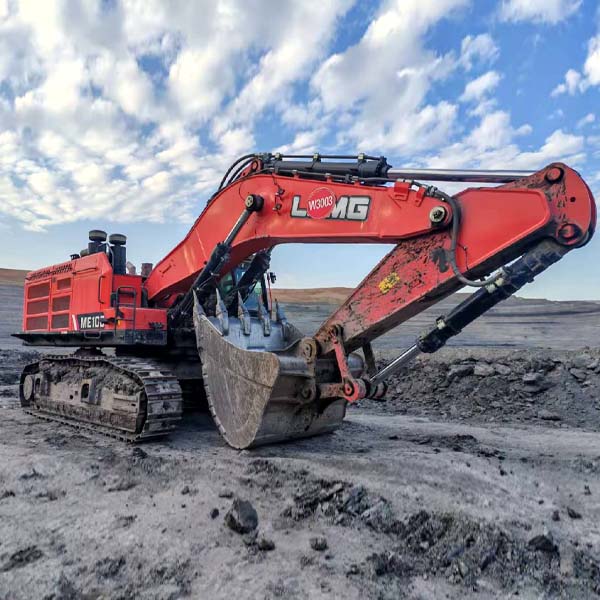
An EXW price of USD 45,000 can become USD 58,000 by the time the machine reaches your yard. Here is how to calculate the gap before you commit.
The landed cost is the only number that matters
The landed cost is: machine price + ocean freight + insurance + import duty + VAT + destination port charges. Every one of those is knowable in advance. Buyers who only compare the machine price are comparing a fraction of the real cost.
How HS codes work
Every product has an HS (Harmonized System) code that determines its import duty rate in your country. Construction machinery falls under a few broad headings — excavators, cranes, loaders and lifting equipment each have their own six-to-ten-digit code. The first six digits are international; the remaining digits are country-specific and change the duty rate.
The right HS code matters twice: it sets the duty you pay, and a wrong code can trigger penalties or delays at clearance. Always confirm the exact code for your destination with a local broker — a good exporter provides the code and the full document pack so your broker can quote accurately.
How to estimate your landed cost
- Get the machine price on the right Incoterm — see what EXW, FOB and CIF actually mean.
- Add ocean freight — a full comparison is in our LCL vs FCL guide.
- Add insurance, usually a small percentage of the invoice value.
- Add import duty — look up your country’s rate for the HS code.
- Add VAT or GST and the port handling charges your broker quotes.
Bottom line: import duty and VAT are the buyer’s responsibility and are not included in an EXW, FOB or CIF price. Get the HS code and a broker’s quote before you order, and the “unexpected” costs stop being unexpected.
Related News
Sep 2, 2026
Remanufactured vs Refurbished vs Rebuilt vs As-Is: What These Terms Actually Mean on Used Machinery
Four labels — remanufactured, refurbished, rebuilt, as-is — can mean a USD 5,000 to USD 50,000 price gap on the same machine. A plain-English breakdown of industry standards, what each covers, warranty differences, and how to write the condition into your contract.
Sep 2, 2026
How to Pay for Machinery from China: T/T, Letter of Credit and Trade Assurance Compared
T/T, letter of credit, Trade Assurance, or escrow — which payment method protects you best when buying used construction machinery from China? A detailed breakdown of each method's process, costs, risks, and when to use each one, with a payment timeline and comparison table.
Sep 2, 2026
What Warranty Do You Actually Get on Used and Remanufactured Machinery?
Most used machinery is sold as-is with no warranty. Remanufactured machines may carry 30 to 90 days — but what does that actually cover, and what does it exclude? An honest breakdown of warranty coverage, exclusions, how to confirm terms before buying, and ASURE's warranty policy.