
August 29, 20262 min read
RoRo vs Container vs Breakbulk: How Construction Machinery Ships Overseas
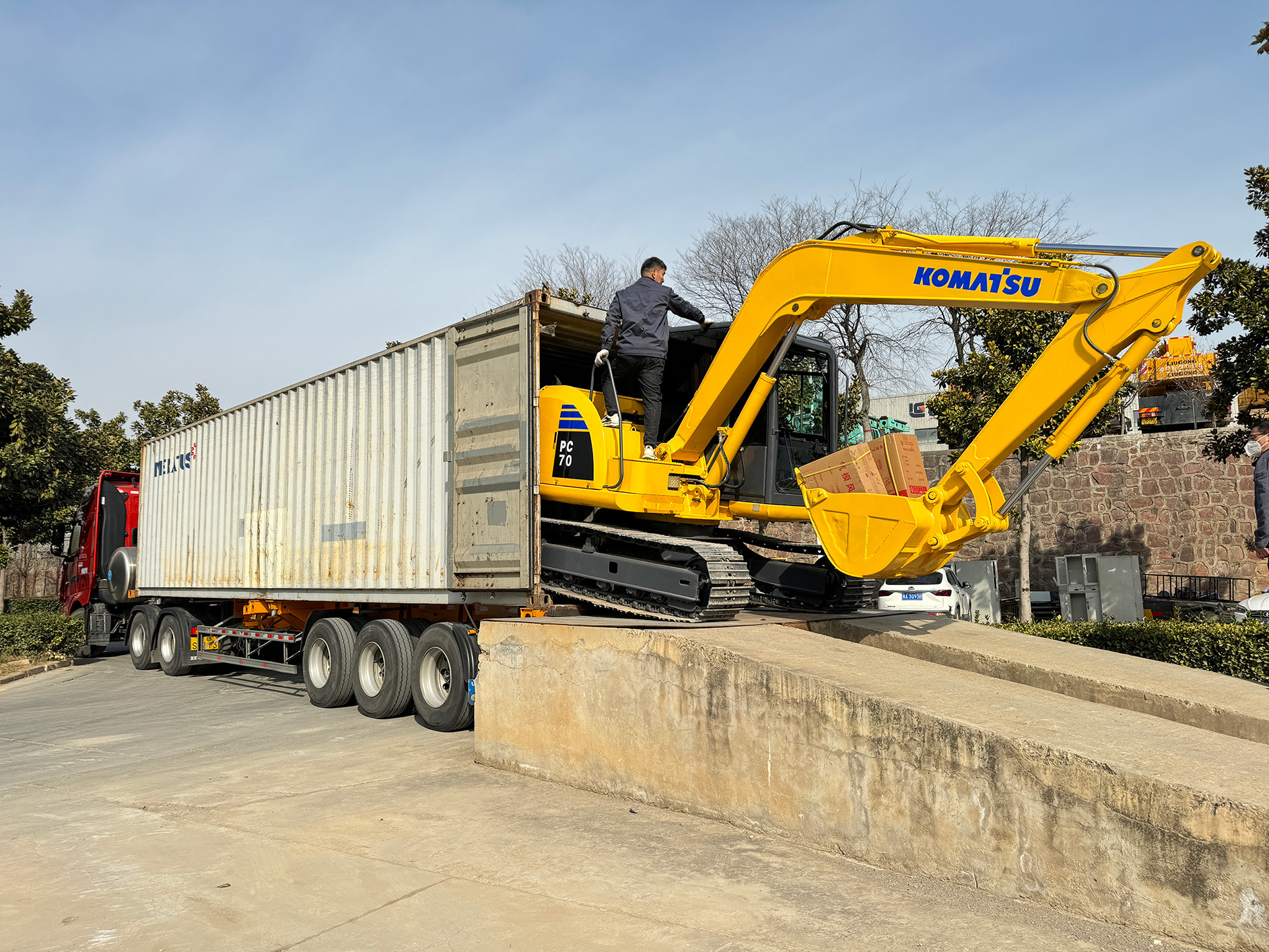
An excavator does not fit in a standard box. The shipping method you choose changes the cost, the packing and the risk of damage. Here is how the three main methods compare.
Method 1 — RoRo (roll-on / roll-off)
RoRo is for wheeled and self-propelled machines: the unit is driven on and off the vessel on its own wheels. It is the cheapest option for wheeled equipment like wheel loaders, truck cranes and mobile boom lifts. The machine travels unpacked on an open deck, so weather and handling are the main risks.
Method 2 — Container (flat rack)
Tracked machines and smaller equipment usually travel on a flat-rack container — an open-sided platform. The machine is lashed and wrapped, protecting it from weather and reducing handling damage. Flat rack costs more than RoRo but offers more protection, and it suits machines that cannot be driven on.
Method 3 — Breakbulk
Oversized or very heavy units that fit neither a RoRo deck nor a flat rack ship as breakbulk — individually lifted and secured in the vessel’s hold or on deck. It is the default for large cranes and heavy machinery, and it is priced per unit.
How to choose
The method follows the machine, not your preference: wheeled and self-propelled tends to RoRo, tracked and mid-size tends to flat rack, oversized tends to breakbulk. The exporter’s shipping team should quote the right method and the packing — and the bill of lading is your proof of shipment, so it matters which method is on it. For the container side, see our LCL vs FCL guide.
Bottom line: the shipping method is dictated by the machine’s size and drivetrain, and it directly affects your freight cost and damage risk. Ask for the method and the packing detail in your quote, not just a freight number.
Related News
Sep 2, 2026
Remanufactured vs Refurbished vs Rebuilt vs As-Is: What These Terms Actually Mean on Used Machinery
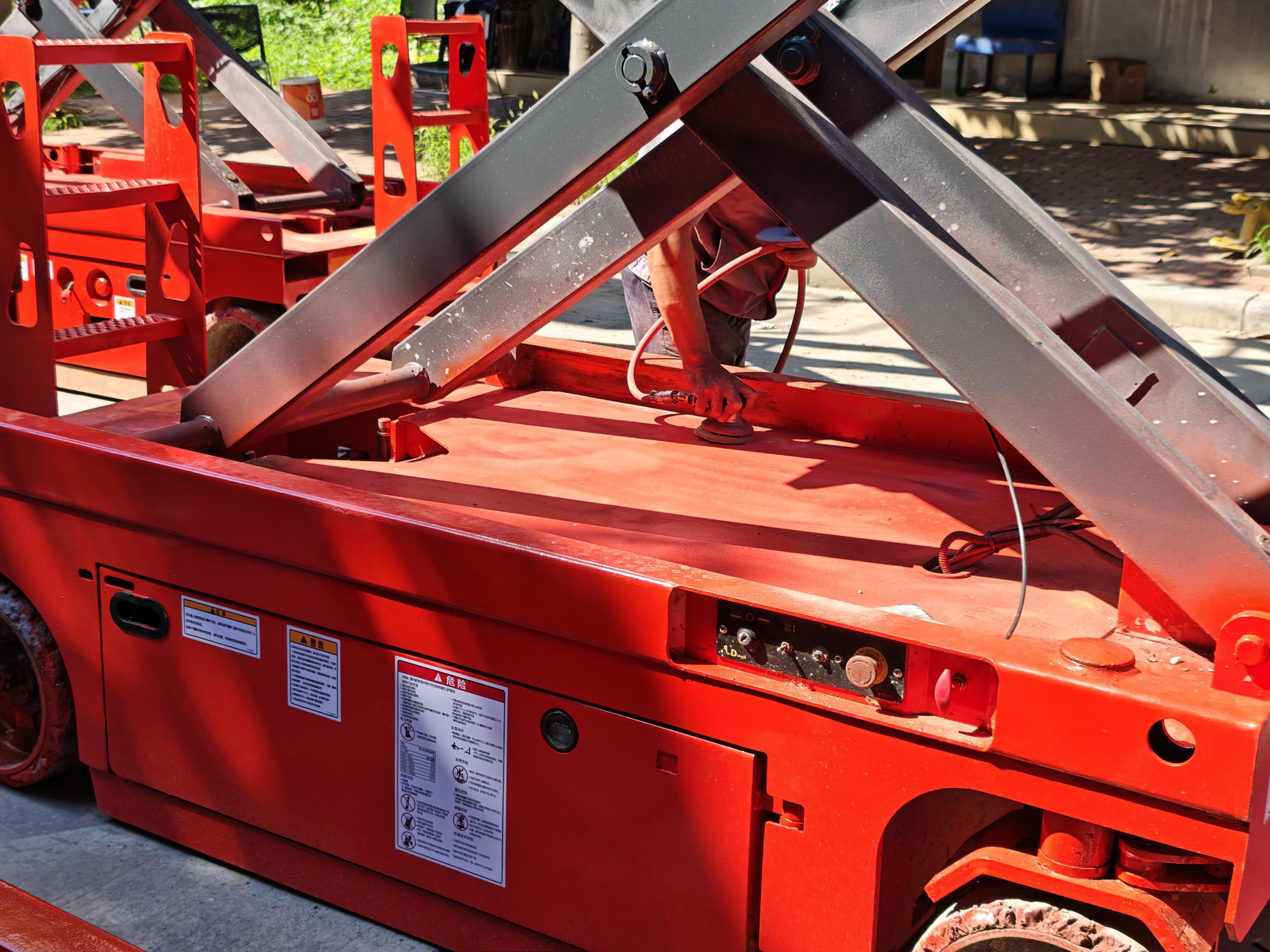
Four labels — remanufactured, refurbished, rebuilt, as-is — can mean a USD 5,000 to USD 50,000 price gap on the same machine. A plain-English breakdown of industry standards, what each covers, warranty differences, and how to write the condition into your contract.
Sep 2, 2026
How to Pay for Machinery from China: T/T, Letter of Credit and Trade Assurance Compared
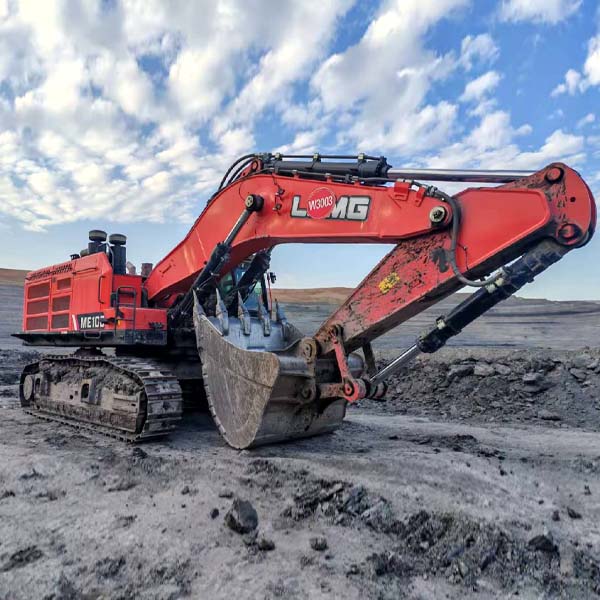
T/T, letter of credit, Trade Assurance, or escrow — which payment method protects you best when buying used construction machinery from China? A detailed breakdown of each method's process, costs, risks, and when to use each one, with a payment timeline and comparison table.
Sep 2, 2026
What Warranty Do You Actually Get on Used and Remanufactured Machinery?
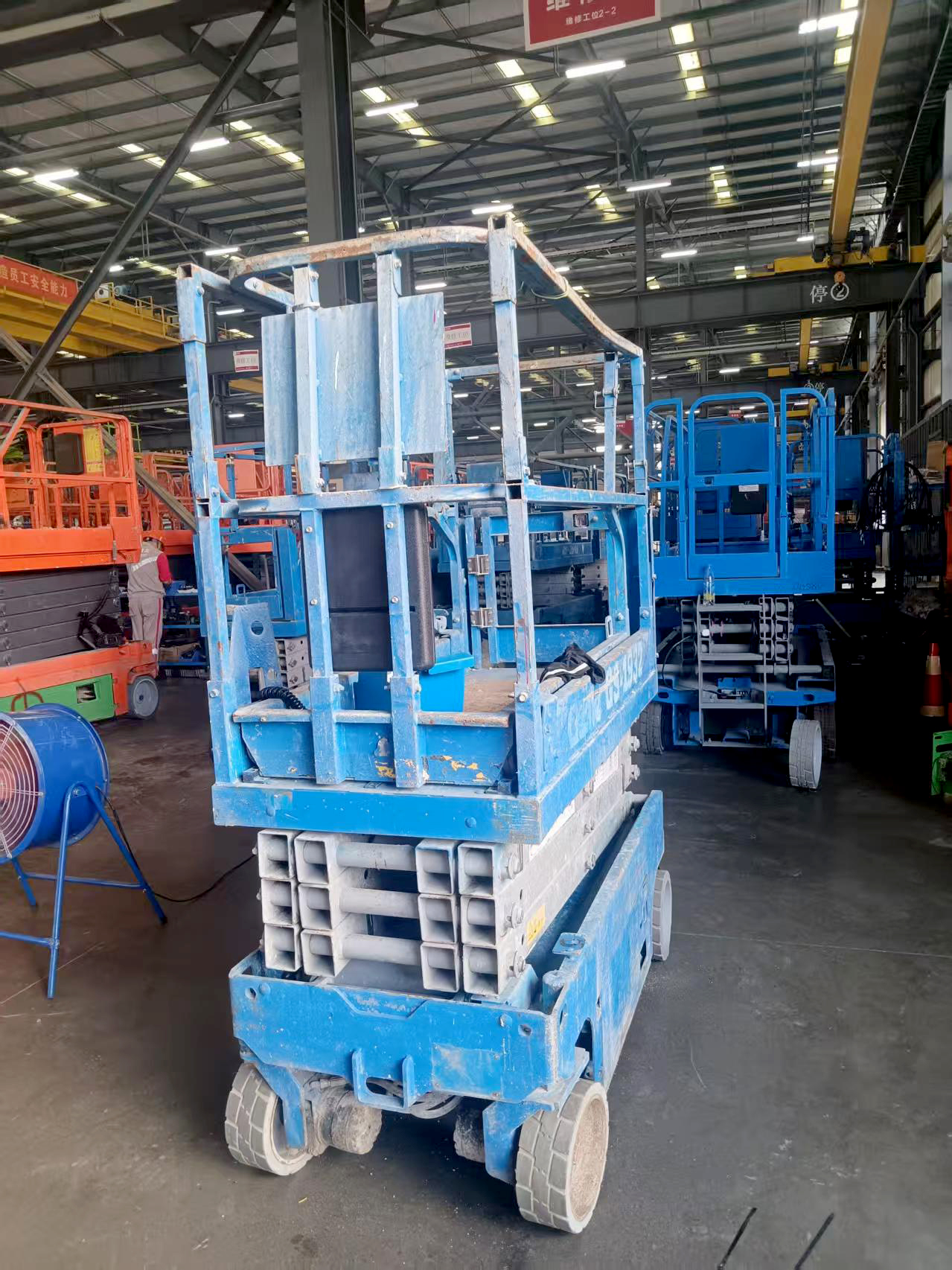
Most used machinery is sold as-is with no warranty. Remanufactured machines may carry 30 to 90 days — but what does that actually cover, and what does it exclude? An honest breakdown of warranty coverage, exclusions, how to confirm terms before buying, and ASURE's warranty policy.