
September 2, 202616 min read
How to Buy Used Construction Equipment from China: The Complete Guide for International Buyers
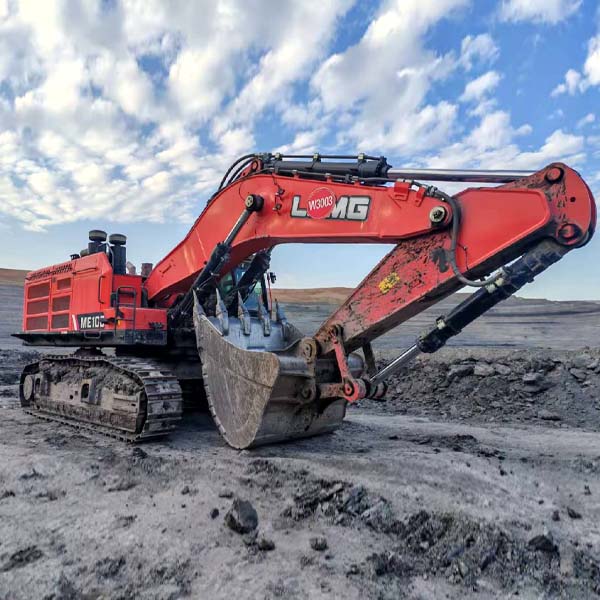
Buying used construction equipment from China is one of the most cost-effective decisions an international contractor, rental company, or dealer can make — but only if the process is handled correctly. China is the world's largest manufacturer and exporter of construction machinery, with a deep supply chain spanning Japanese, American, Korean, and domestic Chinese brands. A well-selected, properly inspected used machine from China can deliver the same productivity as a new unit at 30–60% less capital outlay. Conversely, cutting corners on verification, inspection, or contract structure can result in a machine that arrives damaged, misrepresented, or stuck in customs.
This guide walks through every stage of the procurement journey — from choosing China as a source, to verifying suppliers, inspecting machines, negotiating contracts, arranging shipping, clearing customs, and accepting delivery at the destination port. Whether you are buying a single Komatsu PC200 for a small project or a fleet of Caterpillar 966H wheel loaders for a mining operation, the principles in this guide apply.
1. Why Buy Used Construction Equipment from China?
Price Advantage
The single biggest reason buyers source from China is price. Used machines in the Chinese domestic market are typically 20–40% cheaper than equivalent units in Europe, North America, or Japan — driven by large domestic supply, lower labor and refurbishment costs, and a competitive dealer ecosystem. For a 20-ton excavator, a used unit from China can cost $25,000–$45,000, compared with $40,000–$70,000 for an equivalent machine sourced from Europe or the US.
Unmatched Variety and Availability
China hosts the world's largest and most diverse inventory of used construction equipment. At any given time, buyers can find Caterpillar, Komatsu, Hitachi, Volvo, Doosan, Hyundai, SANY, XCMG, LiuGong, SDLG, and Zoomlion machines across every size class — from 1.5-ton mini excavators to 50-ton production-class machines. The 20-ton excavator comparison illustrates how three different brands are all readily available. This variety means buyers can match the machine to specific project requirements rather than settling for whatever is locally available.
2. How to Find and Verify a Reliable Supplier
The supplier is the single most important variable in a used equipment transaction. A good supplier acts as your eyes, hands, and quality control on the ground in China. A bad supplier can cost you tens of thousands of dollars and months of delay. Here is a seven-step verification process.
Step 1: Verify Business Registration
Every legitimate Chinese company has a business license (营业执照) issued by the local Administration for Market Regulation. Ask the supplier for a copy, then verify the registration number on the National Enterprise Credit Information Publicity System (gsxt.gov.cn). Check that the company is currently in operation, has no serious violations, and that its registered business scope includes "construction machinery" or "mechanical equipment" trading.
Step 2: Check Export Track Record
A supplier that has exported machines to your region or country understands the documentation, certification, and shipping requirements specific to your market. Ask for references from past customers in your country or region. Request copies of past bills of lading (with sensitive information redacted) to verify actual export activity. Be wary of suppliers who cannot show any export history — they may be domestic traders with no international experience.
Step 3: Evaluate Physical Facilities
A credible supplier should have a physical yard, workshop, or warehouse. Ask for a live video tour via WhatsApp, WeChat, or another video platform. Look for: a clean, organized yard; machines under cover or on proper surfaces; a workshop with tools and equipment; staff in uniform; and multiple machines in stock. If a supplier refuses a video tour or only sends pre-recorded videos, that is a significant red flag. Our supplier verification guide provides a detailed checklist.
Step 4: Assess Technical Capability
Can the supplier's team answer technical questions about the machines they sell? Ask about hydraulic system pressures, engine specifications, common failure points for a particular model, and what inspection procedures they follow. A supplier that cannot answer basic technical questions is likely just a broker with no in-house expertise. Ask whether they employ certified mechanics or technicians.
Step 5: Review Contract and Payment Terms
A professional supplier will provide a detailed proforma invoice (PI) or sales contract that specifies: machine make, model, year, hours, condition grade, included accessories, warranty terms, delivery terms (FOB/CIF/EXW), payment schedule, and shipping timeline. Be suspicious of suppliers who pressure you to pay quickly, offer prices significantly below market, or refuse to put terms in writing. Our payment methods guide explains T/T, L/C, and Trade Assurance in detail.
Step 6: Request Independent Inspection
Before paying a deposit, insist on an independent inspection. This can be conducted by a third-party inspection company (such as SGS, BV, or Intertek), or by the supplier's own inspection team if they provide a detailed, signed report with photos. At minimum, the inspection should cover engine, hydraulics, undercarriage, electrical system, cab, and structural integrity. Our 29-point inspection standard is a useful benchmark.
Red Flags to Watch For
- Prices 30%+ below comparable market listings — likely a scam or a misrepresented machine
- Refusal to conduct live video inspections or yard tours
- Pressure to pay the full amount upfront via Western Union, MoneyGram, or cryptocurrency
- Vague or inconsistent answers about machine year, hours, or condition
- No business license or inability to provide verifiable company registration
- Use of personal bank accounts instead of corporate accounts for payment
- Promises of "brand new" machines at used-equipment prices
3. The Machine Inspection Process
Inspection is where the real value is protected — or lost. A machine that looks good in photos can have hidden hydraulic leaks, a worn undercarriage, or an engine nearing the end of its service life. A thorough inspection catches these issues before payment.
The 29-Point Inspection Standard
A professional used-equipment inspection should cover at least 29 checkpoints across six systems. The full breakdown is available in our 29-point inspection guide, but the key areas are:
| System | Key Checkpoints | What to Look For |
|---|---|---|
| Engine | Start-up, smoke color, oil pressure, coolant, belts, filters | Hard starting, excessive black/white/blue smoke, oil leaks, unusual noises |
| Hydraulics | Pump noise, cylinder drift, valve operation, hose condition, oil level/color | Slow cycle times, cylinder drift over 5mm in 5 min, milky or burnt oil, weeping hoses |
| Undercarriage | Track link wear, roller condition, sprocket teeth, idler, track tension, shoe wear | Track link height below 50%, flat-spotted rollers, hooked sprocket teeth, cracked shoes |
| Structure/Body | Boom/arm cracks, bucket condition, chassis welds, cab structure, paint condition | Weld repairs on boom/arm, cracked bucket cutting edges, chassis distortion, repaint hiding damage |
| Electrical/Cab | Gauges, lights, wipers, AC, controls, seat, glass, safety equipment | Non-functional gauges, inoperative AC, cracked glass, missing safety decals |
| Drivetrain (wheeled) | Transmission shifts, axle condition, differential, brakes, tires | Harsh or slipping shifts, axle leaks, worn brake pads, tire tread below 30% |
Undercarriage: The Most Expensive Wear Item
For crawler excavators and bulldozers, the undercarriage typically accounts for 50% or more of lifetime maintenance costs. A worn undercarriage can cost $8,000–$20,000 to replace on a 20-ton excavator. When inspecting, measure track link height, check for dry-jointed links, inspect rollers for flat spots and leaks, and evaluate sprocket tooth wear. If undercarriage life is at 30% or less, factor replacement cost into your offer.
Hydraulics: The Heart of the Machine
Hydraulic system problems are the most common and most expensive repair on used excavators. Key tests include: cycle time testing (boom up/down, arm in/out, bucket curl/dump), cylinder drift testing (hold a loaded position for 5 minutes and measure drift), and hydraulic oil analysis (check for metal particles, water contamination, or burnt smell). A machine with weak hydraulics may need a pump replacement costing $5,000–$15,000.
4. Understanding Machine Condition Grades
One of the most confusing aspects of buying used equipment is the terminology suppliers use to describe condition. "Refurbished," "rebuilt," "remanufactured," and "as-is" are often used interchangeably, but they mean very different things — and the price difference can be substantial. Our condition grades guide provides a full comparison; here is a summary.
| Grade | Definition | What's Done | Typical Price Premium | Warranty |
|---|---|---|---|---|
| As-Is | Machine sold in its current condition, no work performed | Cleaning, basic fluid check | Baseline | None or 7-day |
| Refurbished | Cosmetic and minor mechanical refresh | Paint, filters, fluids, worn hoses, minor repairs | +10–20% | 1–3 months |
| Rebuilt | Major components disassembled and rebuilt to working spec | Engine rebuild, hydraulic pump rebuild, undercarriage replacement | +30–50% | 3–6 months |
| Remanufactured | Machine restored to near-new condition with OEM-spec parts | Full disassembly, all wear parts replaced, testing, certification | +50–80% | 6–12 months |
For most buyers, a "refurbished" machine from a reputable supplier offers the best balance of cost and reliability — cleaned, painted, with fluids and filters changed and obvious wear items addressed, but without a full component rebuild. "As-is" machines suit buyers with in-house mechanical capability. Browse machines by condition grade on our conditions page.
5. Contract, Payment, and Deposit Protection
The Sales Contract
Never proceed without a written contract or proforma invoice signed by both parties. It should specify: machine identification (make, model, serial number, year, hours), condition grade, included accessories, delivery terms (Incoterms 2020), total price, payment schedule, shipping timeline, warranty terms, and dispute resolution. Our Incoterms guide explains FOB, CIF, and EXW in context.
Payment Methods
Three payment methods dominate the used machinery trade from China:
- T/T (Telegraphic Transfer / Bank Wire): The most common method. Typically 30% deposit by T/T to confirm the order, with the remaining 70% paid before shipment (after the buyer has received inspection photos/videos and shipping documents). T/T is fast and has low fees, but offers limited buyer protection once funds are sent.
- L/C (Letter of Credit): A bank-guaranteed payment method that protects both buyer and seller. The buyer's bank issues an L/C promising payment upon presentation of specified documents (bill of lading, inspection certificate, commercial invoice, packing list). L/Cs are more expensive (typically 1–3% of transaction value) and more administratively complex, but offer the strongest protection for high-value transactions.
- Alibaba Trade Assurance: A platform-based escrow service where payment is held by Alibaba until the buyer confirms receipt of goods as described. Trade Assurance is available only for suppliers on Alibaba.com and offers moderate protection, but is limited to transactions processed through the platform.
For transactions under $50,000, T/T with a 30/70 split is standard and practical. For transactions above $100,000, or when working with a new supplier for the first time, an L/C provides meaningful protection. Full details are in our payment methods guide.
Deposit Protection Best Practices
- Never pay 100% upfront — 30% deposit / 70% before shipment is standard
- Always pay to a corporate bank account, never a personal account
- Verify the bank account name matches the company name on the business license
- Request a signed and stamped proforma invoice before sending any payment
- For first-time suppliers, consider using an L/C or Trade Assurance
6. Shipping and Logistics
Shipping heavy machinery from China requires careful planning. The choice of shipping method affects cost, transit time, and the risk of damage. Our shipping methods comparison provides a detailed analysis; here is a summary.
RoRo (Roll-on/Roll-off)
RoRo vessels are purpose-built to carry wheeled and tracked cargo. Machines are driven or towed onto the vessel and secured on the cargo deck. RoRo is typically the cheapest option for machines that can self-propel (most excavators, loaders, forklifts), with rates from Shanghai to Lagos or Jebel Ali often 20–40% lower than container shipping. Transit times are similar to container shipping. The main disadvantage is that machines are exposed to the elements during transit, though most are coated with anti-corrosion spray before loading.
Container Shipping (FCL/LCL)
Container shipping offers better protection from the elements and allows smaller items and spare parts to be shipped alongside the machine. Full Container Load (FCL) is used when the machine fits inside a 40' high-cube container (typically machines under 12 tons and with dimensions within container limits). Larger machines require partial disassembly (removal of the cab, boom, or tracks) to fit. Less than Container Load (LCL) is used for very small machines or spare parts, where the buyer shares container space with other cargo. Container shipping is more expensive than RoRo for self-propelled machines but is necessary for machines that cannot be driven onto a RoRo vessel or for buyers who want maximum protection.
Breakbulk
Breakbulk shipping is used for oversized or overweight machines that cannot fit in a container or on a standard RoRo vessel — typically machines over 40 tons or with dimensions exceeding RoRo limits. The machine is lifted onto the vessel by crane and secured on deck or in the hold. Breakbulk is the most expensive option and requires the longest booking lead time (2–4 weeks), but it is the only viable option for large production-class machines.
Incoterms: FOB, CIF, and EXW
Under EXW, the buyer takes responsibility for all transport from the supplier's yard. Under FOB, the supplier delivers to the port of export and handles export clearance; the buyer arranges ocean freight. Under CIF, the supplier arranges and pays for ocean freight and insurance to the destination port. Most first-time buyers prefer CIF, but FOB can be cheaper if the buyer has their own freight forwarder. Our Incoterms guide explains each term in detail.
7. Customs Clearance and Import Duties
Customs clearance is often the most stressful part of importing used machinery, but it is manageable with proper preparation. The key documents required for most destinations include: commercial invoice, packing list, bill of lading, certificate of origin, inspection certificate, and any destination-specific conformity certificates.
HS Codes for Construction Machinery
Construction machinery is primarily classified under HS Chapter 84, specifically heading 8429 (self-propelled bulldozers, excavators, road rollers, graders, scrapers, mechanical shovels, and other earth-moving machinery). Subheadings include:
- 8429.52 — Excavators with a 360-degree revolving superstructure (the most common category for crawler excavators)
- 8429.51 — Front-end shovel loaders
- 8429.20 — Motor graders
- 8429.11 — Tracked bulldozers and angledozers
- 8428.90 — Other lifting/handling machinery (includes aerial work platforms and forklifts in some classifications)
Our HS code and import duty quick reference provides a more detailed breakdown by destination country. Note that exact HS code classification can vary by country, and some destinations classify used machinery differently from new machinery.
Destination-Specific Certifications
Many countries require conformity assessment certificates for imported machinery: CE Marking (EU/EEA), EPA compliance (USA), SONCAP (Nigeria), PVOC/COC (Kenya, Tanzania, Uganda), and EAC (Eurasian Economic Union). Our CE/EPA certification guide explains the EU and US processes in detail. Always confirm the specific certification requirements for your destination country before shipment — missing certificates can result in cargo being held at the port, fines, or re-export at the buyer's expense.
8. Port-of-Destination Acceptance and After-Sales
What to Check on Arrival
When the machine arrives at the destination port, conduct a thorough acceptance inspection before signing off on delivery: verify the serial number matches the bill of lading; conduct a visual walkaround checking for transit damage; compare condition against the pre-shipment inspection report; start the engine and check for new issues; verify all accessories and documents are present; and document any damage with photos, notifying the supplier and shipping company immediately.
Spare Parts and After-Sales Support
A reputable supplier should provide after-sales support beyond delivery: assistance with troubleshooting via video call, supply of spare parts at competitive prices, provision of service manuals and parts catalogs, and warranty coverage for agreed-upon periods. Our warranty guide explains what to expect and how to make a claim. When evaluating suppliers, ask specifically about their after-sales process, spare parts availability, and response time for technical queries — a supplier that disappears after payment is a liability, not a partner.
9. Common Pitfalls and How to Avoid Them
Year and Hour Meter Tampering
One of the most common forms of misrepresentation is the alteration of year of manufacture and hour meter readings. A machine advertised as "2018 with 3,000 hours" may actually be a 2012 model with 8,000+ hours. To protect yourself: verify the year via the serial number against manufacturer records, look for signs of hour meter replacement, compare the wear pattern against claimed hours, and request maintenance records. Our year and hours verification guide provides detailed techniques.
Hidden Damage and Repainted Machines
A fresh paint job can hide structural damage, weld repairs, and previous accident history. When inspecting, look for uneven paint thickness, overspray on seals and decals, mismatched paint colors between components, and fresh welds on structural members. A repainted machine should sell at a discount to reflect the uncertainty about its history.
Scam Suppliers and Fraud
Common fraud patterns include: listing machines at unrealistically low prices, collecting deposits and disappearing, sending photos of machines they do not own, and substituting a lower-quality machine after payment. Protection measures include: verifying business registration, never paying to personal accounts, conducting live video inspections, using L/C or Trade Assurance for first transactions, and being skeptical of prices that seem too good to be true. If a supplier pressures you to pay quickly or refuses basic verification steps, walk away.
10. Frequently Asked Questions
Q: How long does the entire process take from inquiry to delivery?
A typical timeline: 1–3 days for supplier response and shortlisting, 1–2 days for inspection and negotiation, 1–3 days for contract and deposit, 3–7 days for machine preparation, 1–2 weeks for shipping booking and loading, and 2–6 weeks for ocean transit. Total: approximately 4–10 weeks from inquiry to port-of-destination arrival.
Q: Can I visit the supplier in China before buying?
Yes, and for high-value purchases we recommend it. Most reputable suppliers welcome buyer visits and can arrange airport pickup, local accommodation, and translation. A visit allows you to inspect the machine in person, tour the facilities, meet the team, and build a relationship. Visit our contact page to arrange a visit.
Q: What if the machine arrives and it is not as described?
If the machine arrives with undisclosed issues, document everything with photos and videos immediately, then contact the supplier. A reputable supplier will work with you to resolve the issue — this may include providing spare parts at no cost, contributing to repair costs, or in extreme cases, arranging return and refund. This is why choosing a supplier with a proven track record and a written warranty is critical. Our warranty guide explains the claims process.
Q: Which brands hold their value best in the used market?
Caterpillar and Komatsu consistently hold the highest resale values globally, due to their strong brand reputation, widespread parts availability, and reputation for durability. Volvo, Hitachi, and Doosan also hold value well. Chinese brands (SANY, XCMG, LiuGong) typically have lower resale values but also lower purchase prices, meaning the total cost of ownership can be competitive. Our 20-ton excavator comparison includes resale value analysis for all three brands.
Buying used construction equipment from China is a proven strategy for reducing capital expenditure while maintaining productivity. The keys to success are: choose the right supplier, insist on thorough inspection, use a structured contract and payment method, plan shipping carefully, prepare for customs, and conduct proper acceptance on arrival. By following the steps in this guide, you can minimize risk and maximize value. If you have questions about a specific machine, destination market, or stage of the process, our team is available to help — visit our sourcing page or contact us directly.
Sources: U.S. Department of Commerce Country Commercial Guides — Nigeria Import Requirements and Documentation (2025), Vietnam Import Tariffs (2026), United Arab Emirates Import Tariffs (2025). Available at trade.gov. Tariff rates and certification requirements are subject to change; buyers should confirm current rates with a licensed customs broker before shipment.
Related News
Sep 2, 2026
Remanufactured vs Refurbished vs Rebuilt vs As-Is: What These Terms Actually Mean on Used Machinery
Four labels — remanufactured, refurbished, rebuilt, as-is — can mean a USD 5,000 to USD 50,000 price gap on the same machine. A plain-English breakdown of industry standards, what each covers, warranty differences, and how to write the condition into your contract.
Sep 2, 2026
How to Pay for Machinery from China: T/T, Letter of Credit and Trade Assurance Compared
T/T, letter of credit, Trade Assurance, or escrow — which payment method protects you best when buying used construction machinery from China? A detailed breakdown of each method's process, costs, risks, and when to use each one, with a payment timeline and comparison table.
Sep 2, 2026
What Warranty Do You Actually Get on Used and Remanufactured Machinery?
Most used machinery is sold as-is with no warranty. Remanufactured machines may carry 30 to 90 days — but what does that actually cover, and what does it exclude? An honest breakdown of warranty coverage, exclusions, how to confirm terms before buying, and ASURE's warranty policy.