
September 2, 202611 min read
Importing Construction Machinery to Nigeria: A Complete Buyer's Guide (SONCAP, Tariffs and Top Machines)
Nigeria is Africa's largest economy and one of the continent's fastest-growing construction markets. With a population exceeding 220 million, an ambitious infrastructure development agenda, and a persistent housing deficit, demand for construction machinery — particularly used excavators, wheel loaders, and dump trucks — is strong and growing. For Nigerian contractors, rental companies, and equipment dealers, sourcing used machinery from China offers significant cost savings without sacrificing quality, provided the import process is handled correctly.
This guide covers everything Nigerian buyers need to know: the market opportunity, the most in-demand machine types, SONCAP certification requirements, import duty and tariffs, shipping routes and ports, and how ASURE Machinery supports Nigerian buyers through the entire process.
1. Nigeria Construction Market Overview
Nigeria's construction sector is driven by three powerful forces: infrastructure development, urban housing demand, and road and transportation projects. The federal government has prioritized infrastructure spending as a means of economic diversification and job creation, with significant budgets allocated to road construction, bridge building, and railway projects.
Infrastructure Spending
The Nigerian government has consistently identified infrastructure as a key driver of economic growth. Major road projects — including the Lagos-Ibadan Expressway, the Second Niger Bridge, and various federal highway rehabilitation programs — require heavy earthmoving equipment, asphalt pavers, and compaction machinery. State governments are also investing in urban road networks, drainage systems, and public infrastructure, creating sustained demand for excavators and loaders at both federal and state levels.
Housing Deficit
Nigeria faces an estimated housing deficit in the tens of millions of units, driven by rapid urbanization and population growth. Cities such as Lagos, Abuja, Port Harcourt, and Kano are experiencing a construction boom in residential housing, commercial real estate, and mixed-use developments. This activity requires a steady supply of excavators for site preparation and foundation work, wheel loaders for material handling, and forklifts for construction logistics.
Road and Transportation Projects
Road construction and rehabilitation remain the single largest source of equipment demand in Nigeria. The federal government's road infrastructure programs, combined with state-level urban road projects, create ongoing demand for excavators, bulldozers, motor graders, wheel loaders, and dump trucks. Many of these projects are executed by local contractors who prefer used equipment for its lower capital cost and faster ROI.
2. Top Machine Types in Demand
Excavators
Excavators are the most in-demand construction machine in Nigeria, used across virtually every construction project — from residential foundation digging to large-scale road construction and mining. The 20-ton class is the most popular, with models such as the Komatsu PC200 and Caterpillar 320D dominating the market. These machines offer the versatility to handle digging, lifting, and loading tasks, and their parts are widely available in Nigeria. Smaller excavators (5–8 tons) are in demand for urban construction and tight-space work, while larger machines (30+ tons) are used for mining and heavy civil projects.
Wheel Loaders
Wheel loaders are essential for material handling on construction sites, quarries, and mining operations. The Caterpillar 966H is one of the most popular models in Nigeria, valued for its durability, large bucket capacity, and widespread parts availability. Wheel loaders in the 3–5 cubic meter bucket range are the most common, used for loading trucks, stockpiling materials, and site cleanup.
Dump Trucks
Dump trucks are critical for earthmoving and material transport on road projects, mining sites, and large construction developments. Articulated dump trucks and rigid-frame trucks in the 30–50 ton class are in strong demand. The LGMG MT106H and similar models offer reliable performance at a lower cost than premium Western brands, making them popular with cost-conscious Nigerian contractors.
Forklifts
Forklifts are essential for logistics, warehousing, and construction material handling. Nigeria's growing manufacturing and distribution sectors, combined with port and terminal operations, create steady demand for diesel and electric forklifts in the 2–5 ton capacity range. Chinese brands such as Heli offer excellent value, with models like the Heli CPCD30 (3-ton diesel forklift) being popular choices for their reliability and low operating cost.
Aerial Work Platforms
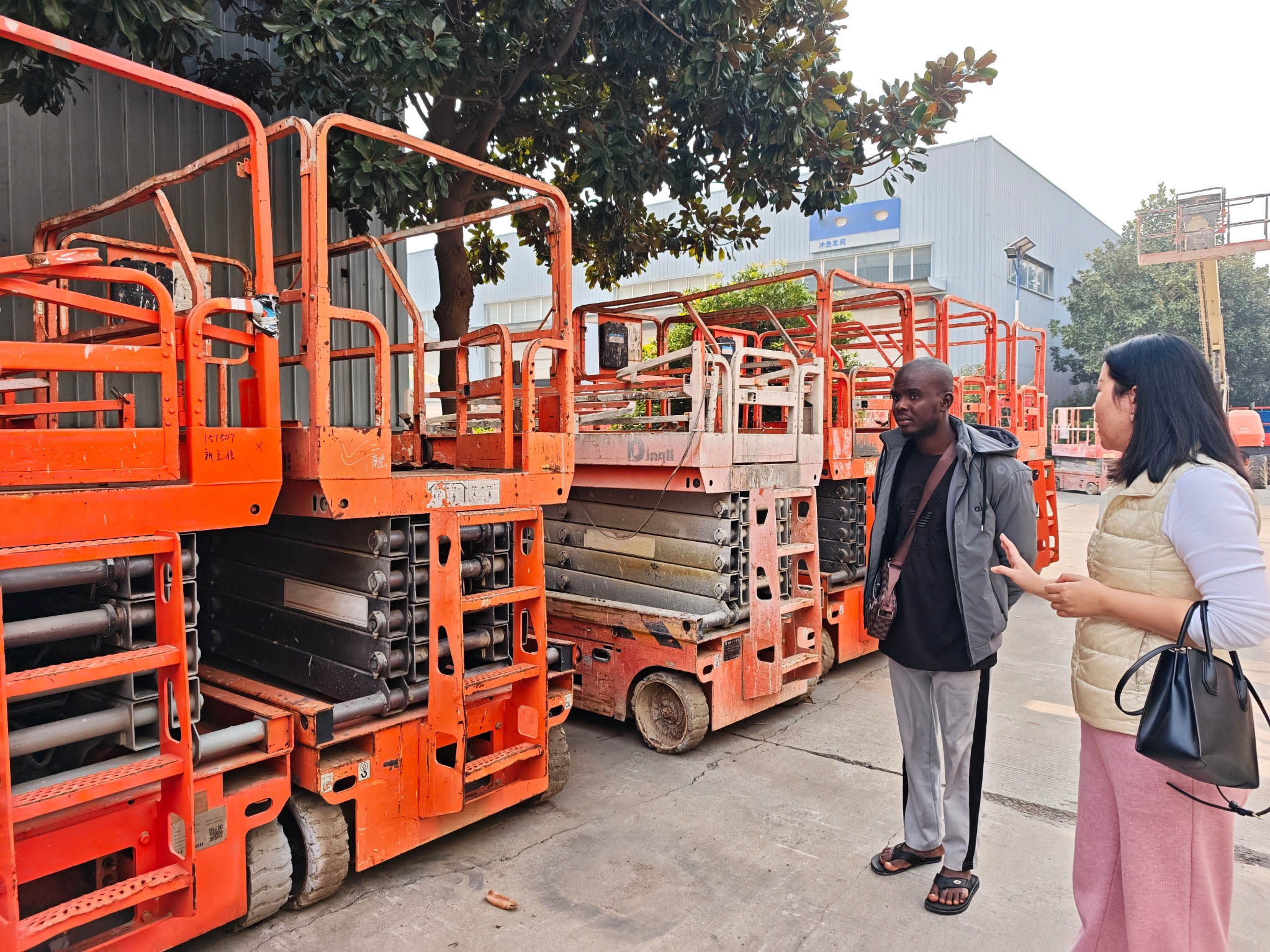
As Nigeria's construction sector matures and safety regulations become more stringent, demand for aerial work platforms (scissor lifts and boom lifts) is growing. These machines are used for building maintenance, facade work, electrical installation, and warehouse operations. Scissor lifts in the 10–14 meter working height range — such as the Dingli JCPT1412 — are the most popular, offering a cost-effective alternative to scaffolding for indoor and outdoor elevated work.
3. Import Regulations and SONCAP Certification
What is SONCAP?
SONCAP (Standards Organization of Nigeria Conformity Assessment Programme) is Nigeria's pre-shipment conformity assessment program, administered by the Standards Organization of Nigeria (SON). SONCAP requires that regulated products imported into Nigeria meet applicable Nigerian standards (or accepted international equivalents) before they are shipped. The program is designed to protect Nigerian consumers from unsafe, substandard, or counterfeit products.
Does Construction Machinery Require SONCAP?
SONCAP applies to a wide range of regulated products, and the specific requirements for construction machinery depend on the product type and HS code classification. Some categories of construction machinery fall under SONCAP's regulated product list, while others may be exempt or subject to different assessment procedures. It is essential to confirm the SONCAP status of your specific machine before shipment — a missing SONCAP certificate can result in cargo being held at the port, fines, or mandatory re-inspection at the buyer's expense.
The SONCAP Process
- Product Registration: The supplier or exporter registers the product with an accredited SONCAP certification body, providing product specifications, test reports, and manufacturer information.
- Conformity Assessment: The certification body reviews the product documentation and may require physical inspection or testing to verify compliance with applicable standards.
- SONCAP Certificate Issuance: Upon successful assessment, a SONCAP Certificate (SC) is issued for the specific shipment. This certificate must accompany the shipping documents.
- Customs Clearance: The SONCAP certificate is presented to Nigeria Customs Service at the port of entry as part of the clearance documentation.
Nigeria has transitioned from pre-shipment inspection to destination inspection for imports, requiring all goods to be inspected upon arrival. This has contributed to delays in cargo clearance in some cases, though recent reforms under the Nigeria Customs Service Act, 2023 aim to streamline processes, including a 48-hour cargo clearance system and increased use of scanning equipment at major ports. The Pre-Arrival Assessment Report (PAAR) system and the Nigeria Single Window Trade Portal remain critical tools for simplifying customs processes.
4. Import Duty and Tariffs for Construction Machinery
Import duty rates for construction machinery in Nigeria vary depending on the specific HS code classification, the type of machine, and whether the machine is new or used. Construction machinery is primarily classified under HS heading 8429 (self-propelled earth-moving machinery) and related headings.
Typical Duty Structure
Nigeria applies a combination of import duty, value-added tax (VAT), and various levies to imported goods. For construction machinery under HS 8429, the applicable import duty rate is typically in the range of 5–10% of the CIF (Cost, Insurance, Freight) value, depending on the specific subheading. In addition to duty, importers should budget for:
- VAT (Value Added Tax): Currently 7.5% on the CIF value plus duty
- Customs Processing Fee: A percentage of the CIF value
- Port Charges: Terminal handling, storage, and documentation fees
- SONCAP Fees: Certification body fees (if applicable)
- Clearing Agent Fees: Typically 1–3% of cargo value
Total landed costs (duty + taxes + fees) can add approximately 15–30% to the CIF value of the machine. Our HS code and duty quick reference provides additional guidance, but exact rates should always be confirmed with a licensed Nigerian customs clearing agent before shipment, as rates and classifications can change.
5. Shipping Routes and Ports
Major Nigerian Ports
- Lagos — Apapa Port: Nigeria's busiest and most established port, handling the majority of container and general cargo. Apapa has facilities for RoRo, container, and breakbulk cargo, but is frequently congested.
- Lagos — Tin Can Island Port: Located adjacent to Apapa, Tin Can handles a significant volume of general and RoRo cargo. It is often used as an alternative to Apapa when congestion is severe.
- Onne Port (Rivers State): Located in the Niger Delta region, Onne primarily serves the oil and gas industry but also handles general cargo and construction equipment for the southern and eastern regions.
Shipping from China to Nigeria
The most common shipping route for construction machinery from China to Nigeria is from Shanghai (or nearby ports such as Ningbo or Guangzhou) to Lagos (Apapa or Tin Can). Transit times are typically:
- RoRo: 25–35 days from Shanghai to Lagos
- Container (FCL): 28–40 days from Shanghai to Lagos
- Breakbulk: 30–45 days, depending on vessel routing and port calls
RoRo is generally the most cost-effective option for self-propelled machinery such as excavators and wheel loaders, while container shipping offers better protection for smaller machines or when spare parts need to travel with the unit. Our shipping methods comparison helps buyers choose the right option.
6. Why Buy from ASURE Machinery?
Professional Inspection
Every machine we export passes through our 29-point inspection process, conducted by certified technicians. The inspection covers engine, hydraulics, undercarriage, structure, electrical systems, and cab. A detailed inspection report with photos is provided to the buyer before payment, so you know exactly what you are buying. We also offer live remote video inspections for buyers who want to see the machine in real time.
Warranty and After-Sales
We stand behind the machines we sell. Depending on the condition grade, machines come with a written warranty ranging from 1 to 12 months, covering major components. Our after-sales team provides technical support via video call, supplies genuine and aftermarket spare parts at competitive prices, and assists with any issues that arise after delivery. You can review our condition grades and warranty terms on our conditions page.
Shipping and Documentation Support
We handle the entire export process from our yard in China: machine preparation, documentation (commercial invoice, packing list, bill of lading, certificate of origin), export customs clearance, and shipping booking. We can arrange CIF delivery to Lagos or FOB terms if you prefer to use your own freight forwarder. For Nigerian buyers, we can also assist with SONCAP certification coordination to help ensure smooth customs clearance.
Nigerian Customer Track Record
We have supplied construction machinery to numerous Nigerian customers, including contractors in Lagos, Abuja, Port Harcourt, and other regions. Our Nigerian customers value our transparent pricing, thorough inspection reports, and reliable after-sales support. We understand the specific requirements of the Nigerian market — from SONCAP documentation to port congestion at Apapa — and we work proactively to minimize delays and ensure a smooth delivery experience.
7. Frequently Asked Questions
Q: Do all used construction machines require SONCAP certification?
A: SONCAP requirements depend on the specific product type and HS code. Some construction machinery categories are regulated under SONCAP, while others may be exempt or subject to different procedures. We recommend confirming the specific requirements with your Nigerian customs clearing agent before shipment, and we can assist with SONCAP coordination for machines that require it.
Q: How long does shipping take from China to Nigeria?
A: Ocean transit from Shanghai to Lagos typically takes 25–40 days depending on the shipping method (RoRo, container, or breakbulk) and vessel routing. Including machine preparation, documentation, and port handling at both ends, the total process from deposit payment to port-of-destination arrival is typically 5–8 weeks.
Q: What is the total landed cost for a used excavator in Nigeria?
A: Total landed cost includes the machine purchase price, international shipping, marine insurance, import duty (typically 5–10% of CIF), VAT (7.5%), customs processing fees, port charges, SONCAP fees (if applicable), and clearing agent fees. As a rough estimate, total landed costs add 15–30% to the CIF value. We provide detailed CIF quotations and can work with your clearing agent to estimate total landed cost before you commit.
Q: Can you deliver to any Nigerian port?
A: We typically ship to Lagos (Apapa or Tin Can Island), which handles the majority of construction machinery imports. We can also arrange shipping to Onne Port for buyers in the southern and eastern regions. For inland delivery, we recommend working with a local transport company that has experience with heavy equipment haulage on Nigerian roads.
Q: What payment terms do you offer for Nigerian buyers?
A: Our standard payment terms are 30% deposit by T/T (bank wire) to confirm the order, with the remaining 70% paid before shipment after you have received the inspection report and shipping documents. For first-time buyers or high-value transactions, we can also discuss Letter of Credit (L/C) terms for additional security. We always provide a signed proforma invoice before any payment is requested.
Nigeria's construction market offers significant opportunities for contractors and equipment dealers who can source quality machinery at competitive prices. Used construction equipment from China — when properly inspected, documented, and shipped — provides an excellent balance of cost and performance. ASURE Machinery has the experience, inspection capability, and market knowledge to help Nigerian buyers source the right machines for their projects. To discuss your equipment requirements, request a quotation, or learn more about our process, please contact us — we respond within one business day.
Sources: U.S. Department of Commerce, Nigeria Country Commercial Guide — Import Requirements and Documentation (last published 2025-09-05). Available at trade.gov. Tariff rates and SONCAP requirements are subject to change; buyers should confirm current rates and requirements with a licensed Nigerian customs clearing agent before shipment.
Related News
Sep 2, 2026
Remanufactured vs Refurbished vs Rebuilt vs As-Is: What These Terms Actually Mean on Used Machinery
Four labels — remanufactured, refurbished, rebuilt, as-is — can mean a USD 5,000 to USD 50,000 price gap on the same machine. A plain-English breakdown of industry standards, what each covers, warranty differences, and how to write the condition into your contract.
Sep 2, 2026
How to Pay for Machinery from China: T/T, Letter of Credit and Trade Assurance Compared
T/T, letter of credit, Trade Assurance, or escrow — which payment method protects you best when buying used construction machinery from China? A detailed breakdown of each method's process, costs, risks, and when to use each one, with a payment timeline and comparison table.
Sep 2, 2026
What Warranty Do You Actually Get on Used and Remanufactured Machinery?
Most used machinery is sold as-is with no warranty. Remanufactured machines may carry 30 to 90 days — but what does that actually cover, and what does it exclude? An honest breakdown of warranty coverage, exclusions, how to confirm terms before buying, and ASURE's warranty policy.