
September 2, 202613 min read
Importing Construction Machinery to Vietnam: A Complete Buyer's Guide (Tariffs, QC and Top Machines)
Vietnam is one of Southeast Asia's most dynamic construction markets, driven by foreign direct investment (FDI) in manufacturing, rapid urbanization, and ambitious infrastructure development. For Vietnamese contractors, rental companies, and equipment dealers, sourcing used construction machinery from China offers compelling advantages: geographic proximity means shorter shipping times and lower freight costs, while the ASEAN-China Free Trade Area (ACFTA) provides preferential tariff treatment for Chinese-origin goods. This guide covers the Vietnamese market opportunity, in-demand machine types, import regulations, tariffs, shipping routes, and how ASURE Machinery supports Vietnamese buyers.
1. Vietnam Construction Market Overview
FDI-Driven Manufacturing Boom
Vietnam has become a leading destination for manufacturing FDI, with companies from South Korea, Japan, China, Singapore, and the United States establishing production facilities across the country. Major industrial parks in Bac Ninh, Hai Phong, Binh Duong, Dong Nai, and Long An require constant construction and expansion, driving demand for excavators, wheel loaders, forklifts, and cranes. The manufacturing sector's growth also creates demand for warehouse and logistics infrastructure, which requires material handling equipment such as forklifts and scissor lifts.
Infrastructure Development
Vietnam's government has prioritized infrastructure development as a key driver of economic growth. Major projects include the North-South Expressway, the Long Thanh International Airport (near Ho Chi Minh City), urban railway systems in Hanoi and Ho Chi Minh City, and various bridge and port development projects. These large-scale infrastructure projects require heavy construction equipment — including large excavators (30+ tons), bulldozers, motor graders, wheel loaders, dump trucks, and tower cranes — creating sustained demand for both new and used machinery.
Urbanization and Real Estate
Vietnam's urban population is growing rapidly, with Hanoi and Ho Chi Minh City leading the way. The country's urbanization rate has increased significantly over the past two decades, driving demand for residential housing, commercial buildings, and urban infrastructure. High-rise residential and commercial developments require tower cranes, concrete pumps, and excavators for foundation work, while urban infrastructure projects require compact excavators and wheel loaders for work in confined spaces.
2. Top Machine Types in Demand
Excavators
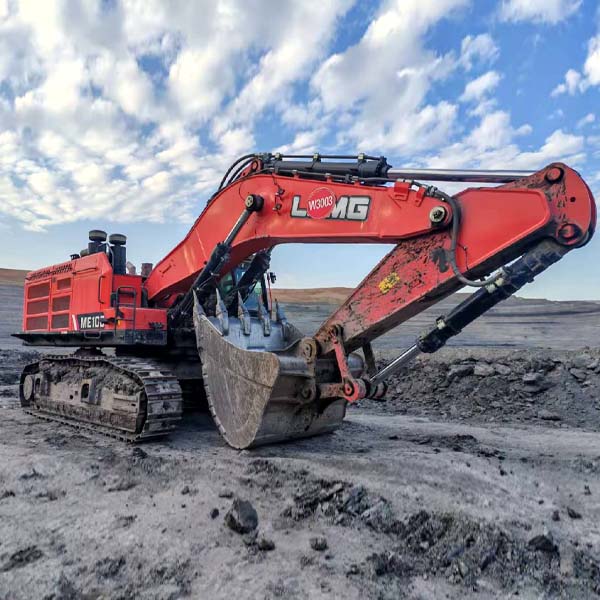
Excavators are the backbone of Vietnam's construction industry, used across residential, commercial, infrastructure, and mining projects. The 20-ton class is the most popular, with Chinese brands such as SANY SY215C offering excellent value for Vietnamese buyers. Japanese brands such as the Komatsu PC200 are also in strong demand for their durability and resale value. Mini excavators (1.5–6 tons) are increasingly popular for urban construction and landscaping, while larger machines (30+ tons) are used for mining and major infrastructure projects.
Wheel Loaders
Wheel loaders are essential for material handling on construction sites, quarries, and industrial facilities. Chinese brands such as SANY and XCMG dominate the Vietnamese wheel loader market due to their competitive pricing and adequate after-sales support. Models such as the SANY SYL953H (5-ton class wheel loader) are popular for their reliability and low operating cost. Wheel loaders in the 3–5 ton range are the most common, used for loading trucks, stockpiling materials, and site cleanup.
Forklifts
Vietnam's growing manufacturing and logistics sectors create strong demand for forklifts. Industrial parks, warehouses, ports, and distribution centers require forklifts in the 2–5 ton capacity range for material handling. Chinese brands such as Heli offer excellent value, with models like the Heli CPCD30 (3-ton diesel forklift) being popular choices. Electric forklifts are also gaining traction in Vietnam, particularly for indoor warehouse operations where emissions and noise are concerns.
Scissor Lifts and Aerial Work Platforms
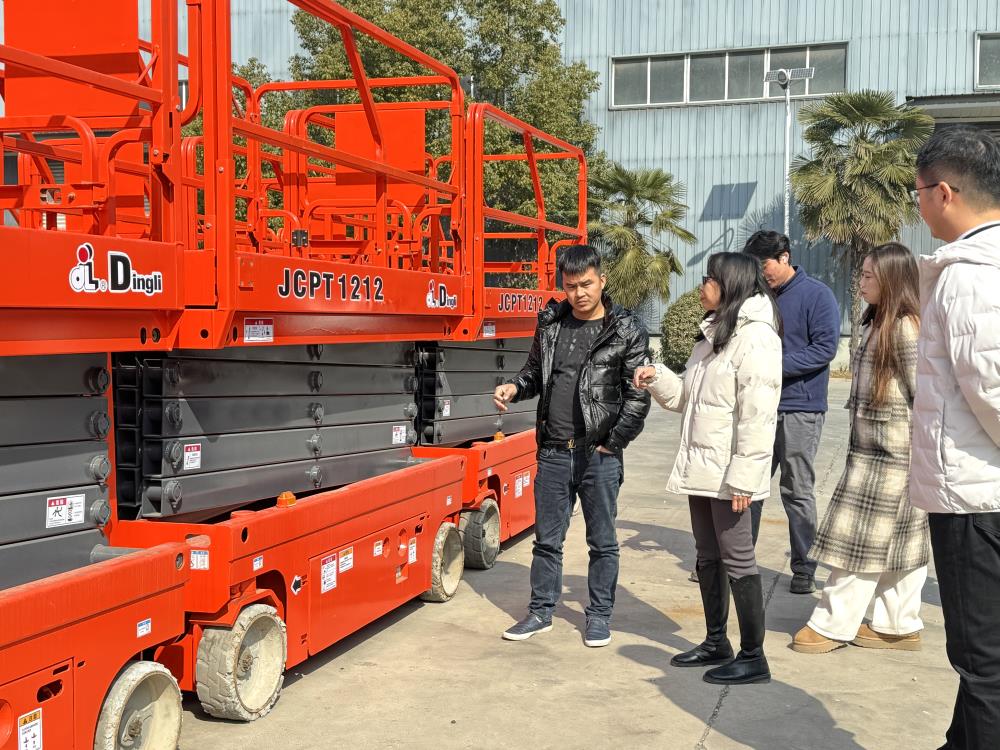
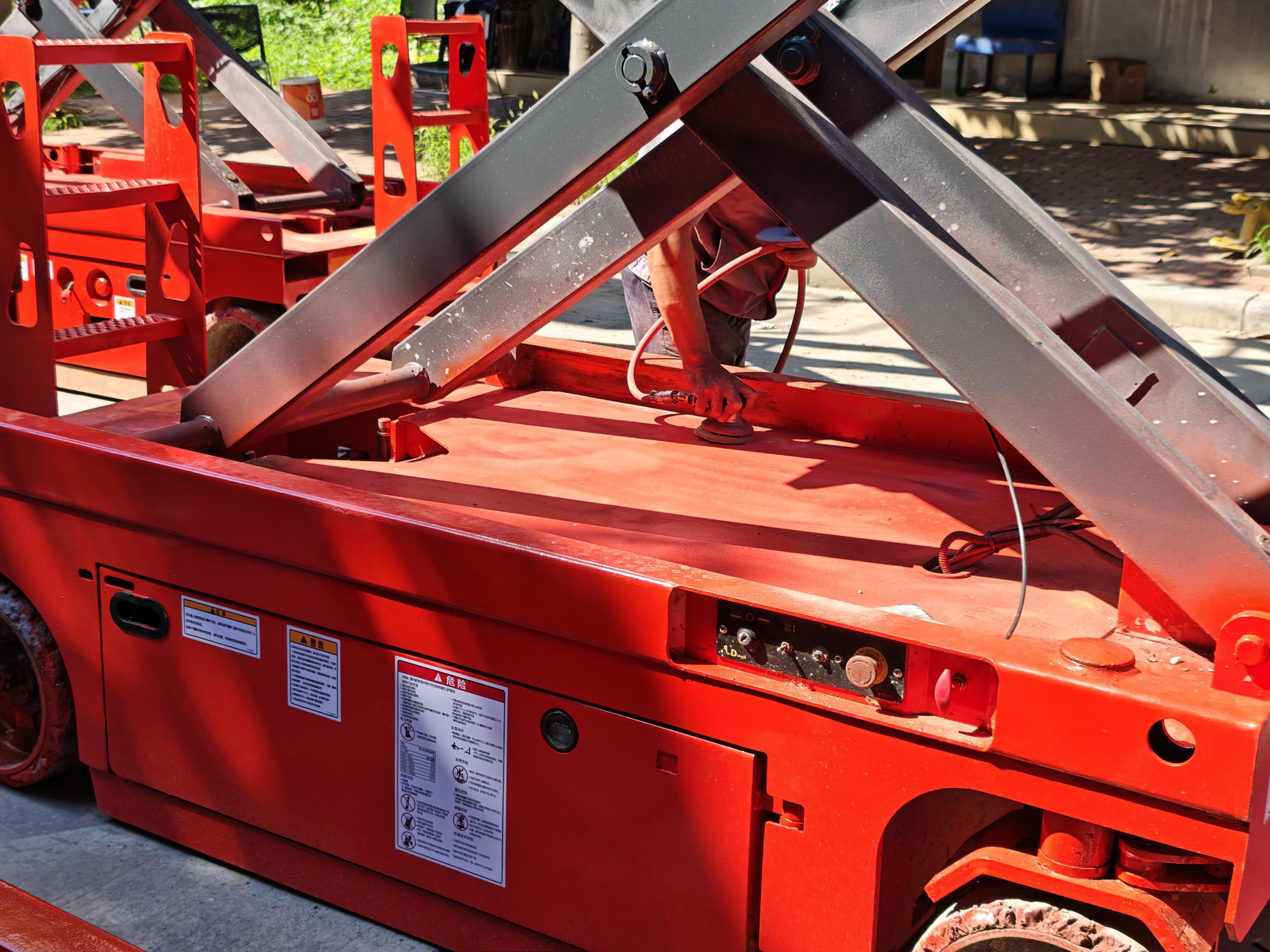
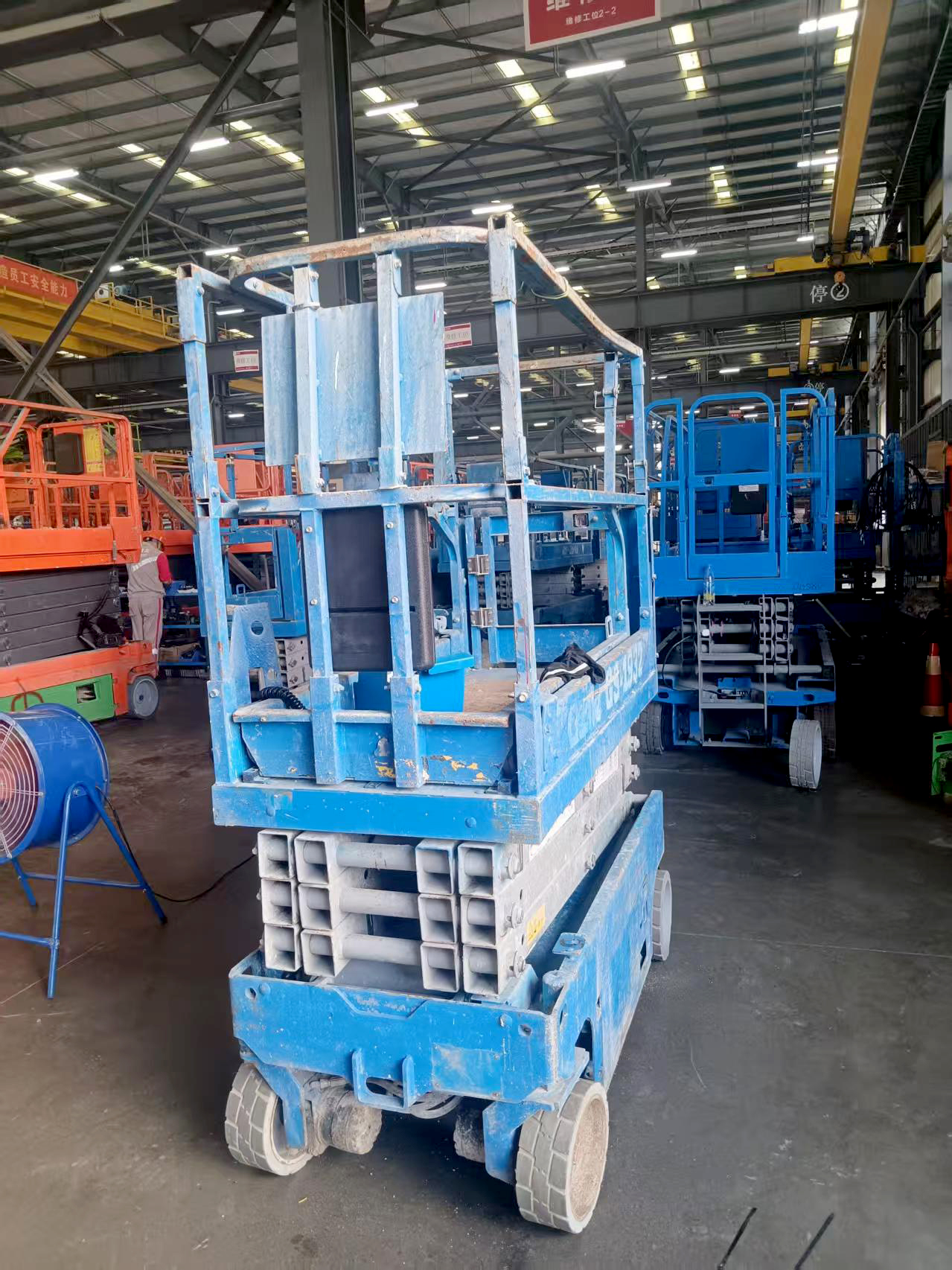
As Vietnam's construction sector matures and workplace safety regulations become more stringent, demand for aerial work platforms is growing. Scissor lifts are used for building maintenance, facade work, electrical installation, and warehouse operations. The 10–14 meter working height range is most popular, with models such as the Dingli JCPT1412 offering a cost-effective alternative to scaffolding. Boom lifts (articulating and telescopic) are in demand for high-rise construction and maintenance work, though the market is smaller than for scissor lifts.
Tower Cranes and Mobile Cranes
Vietnam's high-rise construction boom — particularly in Hanoi and Ho Chi Minh City — creates demand for tower cranes and mobile cranes. Chinese manufacturers such as SANY, XCMG, and Zoomlion offer competitive tower crane and mobile crane products. Models such as the SANY STC500C5 (50-ton truck crane) are popular for general construction lifting work. The crane rental market in Vietnam is growing, with rental companies investing in both new and used cranes to meet demand from the construction sector.
3. Import Regulations
Vietnam Customs Procedures
Importing construction machinery into Vietnam requires compliance with Vietnam Customs regulations administered by the General Department of Vietnam Customs (GDVC). The standard import process involves: submission of a customs declaration (online via the VNACCS/VCIS system), presentation of shipping documents (commercial invoice, packing list, bill of lading, certificate of origin), payment of import duties and taxes, and physical inspection of the goods (if selected by customs). Vietnam has been steadily modernizing its customs procedures, with electronic declaration and risk-based inspection systems reducing clearance times for compliant importers.
Quality Control (QC) Certification
Vietnam applies quality control (QC) and type approval requirements to certain categories of imported machinery and equipment. Under Vietnamese regulations, specific types of construction machinery may be subject to conformity assessment with national technical regulations (QCVN) or applicable standards. The specific requirements depend on the machine type and intended use. For example, cranes and lifting equipment may require type approval and periodic inspection certification, while certain types of construction machinery may need to meet safety and emissions standards. It is essential to confirm the specific QC requirements for your machine type with a Vietnamese customs broker or the relevant regulatory authority before shipment.
Used Machinery Import Considerations
Vietnam generally allows the import of used construction machinery, but there may be restrictions or additional requirements for certain types of used equipment. Importers should be aware that: used machinery must meet applicable safety and environmental standards; some categories of used equipment may be subject to age restrictions; and the customs valuation of used machinery is based on the transaction value or, if challenged, the customs authority's reference price. Working with an experienced Vietnamese customs broker is highly recommended to navigate these requirements.
4. Import Duty and Tariffs
ACFTA Preferential Tariffs
One of the biggest advantages for Vietnamese buyers sourcing from China is the ASEAN-China Free Trade Area (ACFTA), which provides preferential tariff treatment for goods originating in China. Under ACFTA, tariffs on the majority of goods traded between China and ASEAN member states (including Vietnam) have been reduced to zero or near-zero levels. For construction machinery under HS heading 8429, ACFTA preferential tariff rates are typically 0% or very low (0–5%), compared with MFN (Most Favored Nation) rates which are generally in the 5–15% range.
To qualify for ACFTA preferential rates, the goods must be accompanied by a valid Certificate of Origin Form E (the ACFTA certificate of origin), issued by the competent authority in the exporting country (China). The certificate must correctly identify the goods, indicate that they meet the ACFTA rules of origin, and be presented to Vietnam Customs at the time of import declaration. ASURE Machinery can arrange Form E certification for all machines exported to Vietnam, ensuring that buyers benefit from the preferential tariff rates.
Other Taxes and Fees
In addition to import duty, importers should budget for:
- VAT (Value Added Tax): Vietnam applies a standard VAT rate of 10% to most imported goods, calculated on the CIF value plus import duty. Some categories of machinery may qualify for reduced VAT rates or exemptions.
- Special Consumption Tax: Generally not applicable to construction machinery.
- Customs Processing Fees: Nominal fees for customs declaration processing.
- Port and Terminal Charges: Handling, storage, and documentation fees at the destination port.
- Customs Broker Fees: Typically 0.5–2% of cargo value.
Vietnam's tariff schedules are promulgated through decrees such as Decree 26/2023/ND-CP, which sets out MFN and preferential import tariff schedules. Since Vietnam joined the WTO in 2007, tariffs have decreased steadily, with most imports now facing rates of 15% or less. However, applied rates can be adjusted, and specific rates should always be confirmed with a licensed Vietnamese customs broker before shipment. Our HS code and duty quick reference provides additional guidance.
5. Shipping Routes and Ports
Major Vietnamese Ports
- Ho Chi Minh City — Cat Lai Port: The largest container port in Vietnam, located on the Saigon River. Cat Lai handles the majority of container cargo for the southern region and also has facilities for general and RoRo cargo. It is the primary port of entry for construction machinery destined for Ho Chi Minh City and the Mekong Delta region.
- Hai Phong Port: The largest port in northern Vietnam, serving Hanoi and the northern industrial provinces. Hai Phong has multiple terminals handling container, general, and RoRo cargo. It is the primary port of entry for construction machinery destined for Hanoi, Hai Phong, Quang Ninh, and the northern industrial region.
- Da Nang Port: A major port in central Vietnam, serving the central region including Da Nang, Hue, and Quang Nam. Da Nang handles container and general cargo and is a convenient entry point for buyers in central Vietnam.
Shipping from China to Vietnam
The geographic proximity of China and Vietnam makes shipping relatively fast and inexpensive compared with other destinations. Common shipping routes include:
- Shanghai to Ho Chi Minh City (Cat Lai): 5–8 days by container, 7–10 days by RoRo
- Guangzhou/Shenzhen to Ho Chi Minh City: 3–6 days by container, 5–8 days by RoRo
- Shanghai to Hai Phong: 4–7 days by container, 6–9 days by RoRo
- Guangzhou/Shenzhen to Hai Phong: 2–5 days by container, 4–7 days by RoRo
Due to the short transit times, container shipping is often preferred for smaller machines and for buyers who want maximum protection from the elements. RoRo is cost-effective for larger self-propelled machines. For very large or oversized machines, breakbulk shipping may be required. Our shipping methods comparison helps buyers choose the right option for their specific machine and budget.
6. Why Buy from ASURE Machinery?
Thorough Inspection and Transparency
Every machine we export passes through our comprehensive inspection process, covering engine, hydraulics, undercarriage, structure, electrical systems, and cab. We provide a detailed inspection report with photos before payment, so Vietnamese buyers know exactly what they are purchasing. We also offer live remote video inspections, allowing buyers to see the machine operate in real time and ask questions directly to our inspection team.
ACFTA Form E Certification
We understand that Vietnamese buyers want to take full advantage of ACFTA preferential tariff rates. We arrange Form E (ACFTA Certificate of Origin) for every machine exported to Vietnam, ensuring that the goods qualify for the lowest applicable tariff rates. Our documentation team ensures that all export documents — commercial invoice, packing list, bill of lading, certificate of origin, and inspection certificate — are accurate and complete, minimizing the risk of customs delays.
Fast Shipping and Competitive Freight
Thanks to the short shipping distance between China and Vietnam, we can offer fast delivery times and competitive freight rates. We work with reliable shipping lines and freight forwarders to ensure that machines are transported safely and arrive on schedule. We can arrange CIF delivery to Cat Lai, Hai Phong, or Da Nang, or FOB terms if you prefer to use your own freight forwarder. Typical transit times from our yard in China to a Vietnamese port are 7–14 days including preparation and loading.
Warranty and After-Sales Support
We provide written warranties on all machines we sell, ranging from 1 to 12 months depending on the condition grade. Our after-sales team offers technical support via video call, supplies spare parts at competitive prices, and assists with any issues that arise after delivery. For Vietnamese buyers, the short shipping distance also means that spare parts can be delivered quickly — typically within 5–10 days via air freight or 10–20 days via sea freight. You can review our condition grades and warranty terms on our conditions page.
7. Frequently Asked Questions
Q: Do used construction machines imported from China qualify for ACFTA preferential tariffs?
A: Yes, used machinery originating in China can qualify for ACFTA preferential tariff rates when accompanied by a valid Certificate of Origin Form E. However, the rules of origin must be met — the machine must be wholly obtained or sufficiently processed in China. For used machines that were originally manufactured in another country (e.g., a used Caterpillar excavator that was imported into China and then re-exported), the origin determination may be more complex. We assess origin for each machine and provide Form E where applicable.
Q: How long does shipping take from China to Vietnam?
A: Ocean transit from China to Vietnam is very fast due to the geographic proximity. Container shipping from Guangzhou or Shenzhen to Ho Chi Minh City takes 3–6 days, while RoRo takes 5–8 days. From Shanghai, transit times are slightly longer at 5–10 days. Including machine preparation, documentation, and port handling, the total process from deposit payment to port-of-destination arrival is typically 2–4 weeks.
Q: What is the import duty rate for used excavators in Vietnam?
A: Under ACFTA preferential rates, construction machinery under HS 8429 originating in China typically qualifies for 0% or very low (0–5%) import duty rates, provided a valid Form E certificate is presented. MFN rates (without Form E) are generally in the 5–15% range. In addition to duty, importers pay VAT at 10% on the CIF value plus duty. Exact rates should be confirmed with a Vietnamese customs broker, as classifications and rates can be adjusted.
Q: Are there any restrictions on importing used construction machinery into Vietnam?
A: Vietnam generally allows the import of used construction machinery, but certain types of equipment may be subject to quality control (QC) requirements, safety standards, or age restrictions. Cranes and lifting equipment, for example, may require type approval and certification. We recommend confirming the specific requirements for your machine type with a Vietnamese customs broker or the relevant regulatory authority before shipment. We can assist with documentation and certification coordination.
Q: Can you deliver to any Vietnamese port?
A: We regularly ship to Cat Lai Port (Ho Chi Minh City) and Hai Phong Port, which are the two main entry points for construction machinery. We can also arrange shipping to Da Nang Port for buyers in central Vietnam. For inland delivery to construction sites or warehouses, we recommend working with a local heavy haulage company that has the necessary permits and equipment for oversize/overweight cargo on Vietnamese roads.
Vietnam's construction market — driven by FDI manufacturing, infrastructure development, and urbanization — offers strong opportunities for contractors and equipment dealers. Sourcing used construction machinery from China provides Vietnamese buyers with cost-effective, reliable equipment, supported by ACFTA preferential tariffs and short shipping times. ASURE Machinery has the inspection capability, documentation expertise, and shipping experience to help Vietnamese buyers source the right machines for their projects. To discuss your equipment requirements or request a quotation, please contact us — we respond within one business day.
Sources: U.S. Department of Commerce, Vietnam Country Commercial Guide — Import Tariffs (last published 2026-04-23). Available at trade.gov. Vietnam tariff schedules are set out in Decree 26/2023/ND-CP and related regulations. Tariff rates and import requirements are subject to change; buyers should confirm current rates and requirements with a licensed Vietnamese customs broker before shipment.
Related News
Sep 2, 2026
Remanufactured vs Refurbished vs Rebuilt vs As-Is: What These Terms Actually Mean on Used Machinery
Four labels — remanufactured, refurbished, rebuilt, as-is — can mean a USD 5,000 to USD 50,000 price gap on the same machine. A plain-English breakdown of industry standards, what each covers, warranty differences, and how to write the condition into your contract.
Sep 2, 2026
How to Pay for Machinery from China: T/T, Letter of Credit and Trade Assurance Compared
T/T, letter of credit, Trade Assurance, or escrow — which payment method protects you best when buying used construction machinery from China? A detailed breakdown of each method's process, costs, risks, and when to use each one, with a payment timeline and comparison table.
Sep 2, 2026
What Warranty Do You Actually Get on Used and Remanufactured Machinery?
Most used machinery is sold as-is with no warranty. Remanufactured machines may carry 30 to 90 days — but what does that actually cover, and what does it exclude? An honest breakdown of warranty coverage, exclusions, how to confirm terms before buying, and ASURE's warranty policy.